
Choosing the best Outdoor Distribution Box supplier in China isn’t just about comparing prices, you know? It’s really about finding a partner who understands the ins and outs of outdoor electrical risks—not just selling you some metal or plastic enclosure. An outdoor distribution box needs to guard your circuits against rain, dust, sunlight, temperature swings, and accidental contact. And those seals? They can wear out pretty fast if they’re not up to the job.
A good supplier should be open about how they make their products. Don’t hesitate to ask about what materials they use for the enclosures, the gasket quality, cable glands, busbars, circuit breakers, and grounding. A trustworthy factory will be able to share product drawings, inspection records, test reports, and details on the components so you can see everything’s traceable. Also, they should help you pick the right IP rating based on where you’re installing. But, honestly, having a fancy certificate doesn’t mean much in the long run. Real confidence comes from consistent quality and solid testing.
When you’re checking out the boxes, pay attention to the little things. Does the door shut smoothly? Are the hinges still sturdy after dozens of uses? Can your techs read the labels inside, even if it’s kinda dark outside? Is there enough space inside for wiring and future upgrades? These small details can make a big difference over time. Experience really shows during customization too—whether it’s for solar farms, construction sites, factories, or public utilities.
Of course, no supplier’s perfect. There might be delays, design tweaks, or some back-and-forth when it comes to technical stuff. That’s why it’s smart to ask for samples and double-check the specs before you place an order. A reliable Chinese manufacturer will be honest about what they can do, answer your questions reasonably, and admit their limits. Keep in mind, the cheapest quote isn’t always the best option. The real winner is the one who combines engineering know-how, controlled manufacturing, quick support, and proven field performance.
What Is an Outdoor Distribution Box?
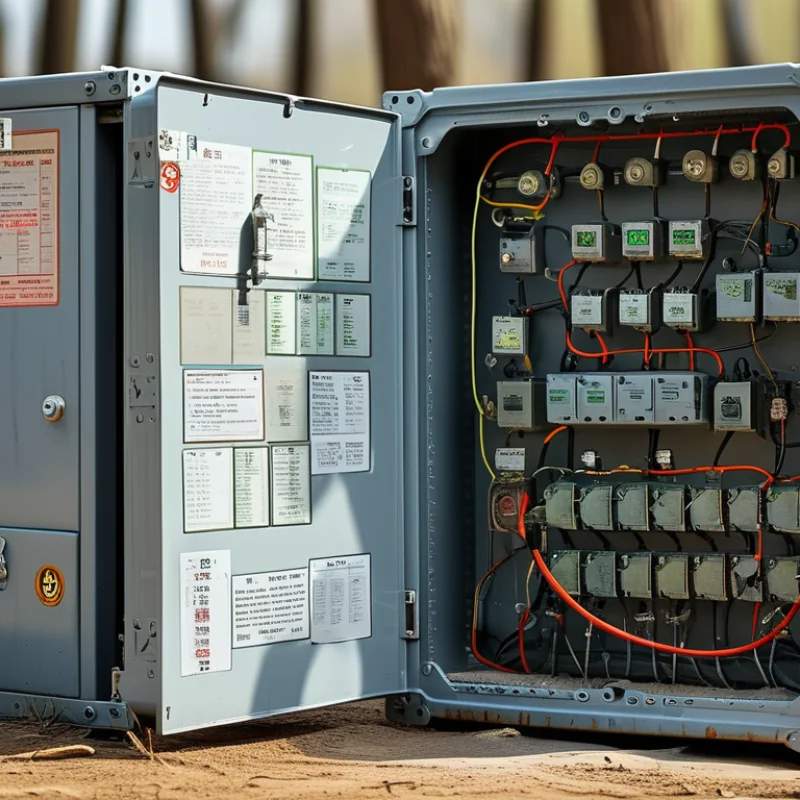
An Outdoor Electric Distribution Box is a weather-resistant enclosure that receives electrical power and divides it into several protected circuits. It is commonly installed near buildings, construction areas, gardens, parking spaces, and outdoor equipment. Inside, circuit breakers, busbars, terminals, and protective devices organize the power safely.
The enclosure usually uses sealed doors, insulated parts, and cable glands to reduce water, dust, and accidental contact. A reliable design also considers sunlight, temperature changes, impact, and corrosion. For example, a box beside a garden may face rain, wet soil, and fertilizer residue. A box at a worksite may need stronger protection against dust and knocks.
During product checks, I examine the door seal, hinge strength, terminal spacing, and cable entry points. Small details matter. A loose gland can let moisture inside. Poor labeling can slow maintenance and cause mistakes. The internal space should allow safe wiring and future circuit changes, not just fit today’s components. Protection ratings are important, but they do not replace correct installation. Even a well-made box can fail when overloaded or mounted incorrectly. This is where an experienced supplier should provide clear specifications, tested materials, and practical installation guidance. I would still review every project carefully, because outdoor conditions are rarely identical.
China Best Outdoor Distribution Box Supplier? – What Is an Outdoor Distribution Box?
| Data Dimension | Typical Specification or Option | Practical Description |
|---|---|---|
| Product Definition | Weather-resistant Electrical Enclosure | An outdoor distribution box houses and protects circuit breakers, terminal blocks, busbars, meters, and other low-voltage electrical components used to distribute power. |
| Primary Function | Power distribution and circuit protection | It divides incoming electrical power into multiple outgoing circuits and provides protection against overloads, short circuits, and, when fitted, residual-current faults. |
| Typical Installation Locations | Outdoor walls, poles, cabinets, and equipment bases | Common applications include construction sites, solar installations, irrigation systems, street lighting, industrial equipment, gardens, farms, and infrastructure projects. |
| Ingress Protection | IP54 to IP66 or higher, depending on design | IP54 provides protection against limited dust ingress and water splashes. IP65 and IP66 provide higher dust protection and resistance to water jets; the exact rating must match the installation environment. |
| Comparable NEMA Enclosure Ratings | NEMA 3R, 4, or 4X, where applicable | NEMA 3R is commonly used for outdoor protection from rain and sleet. NEMA 4 offers stronger protection against windblown dust and water. NEMA 4X adds improved corrosion resistance. |
| Enclosure Materials | Polycarbonate, ABS, polyester, painted steel, or stainless steel | Plastic enclosures are lightweight and electrically insulating. Painted steel provides mechanical strength, while stainless steel is suitable for corrosive, hygienic, or demanding environments. |
| Operating Voltage | Commonly up to 400 V AC in low-voltage systems | The rated voltage depends on the enclosure components, insulation system, local electrical code, and the distribution network. Component ratings must not be exceeded. |
| Rated Current | Often from 16 A to 630 A, depending on configuration | Current capacity is determined by the incoming device, outgoing breakers, busbar rating, conductor size, temperature rise, and the required load schedule. |
| Number of Outgoing Circuits | Typically 2 to 24 or more ways | The number of ways depends on the available enclosure space and the selected protective devices. Spare ways are useful for future expansion and maintenance flexibility. |
| Protective Devices | MCB, MCCB, RCD/RCBO, isolator, surge protective device | Protective devices are selected according to load type, fault level, earth-fault protection requirements, switching needs, and applicable electrical regulations. |
| Common Mounting Methods | Wall-mounted, pole-mounted, surface-mounted, or floor-mounted | Mounting hardware should support the enclosure weight and withstand vibration, wind, moisture, and the mechanical conditions at the installation site. |
| Cable Entry | Bottom, top, side, or rear cable entry with glands | Correctly sized cable glands, blanking plugs, and sealing washers help preserve the enclosure’s environmental protection after wiring is completed. |
| Door and Locking Design | Hinged door with gasket, latch, or lockable handle | A sealed door helps prevent water and dust ingress, while a lockable design restricts access to authorized personnel and reduces accidental contact with live parts. |
| Temperature Range | Commonly approximately −25°C to +60°C | The actual operating range depends on the enclosure material, installed components, solar exposure, ventilation, internal heat generation, and the manufacturer’s rated limits. |
| UV and Corrosion Resistance | UV-stabilized plastic, powder-coated metal, or stainless steel | Outdoor enclosures should be selected for resistance to sunlight, humidity, salt spray, chemicals, and other site-specific environmental factors. |
| Electrical Safety Features | Earth bar, neutral bar, insulated shrouds, labels, and touch-safe covers | These features support safe installation, clear circuit identification, protective bonding, and reduced risk of accidental contact during inspection or maintenance. |
| Applicable Standards | IEC 61439, IEC 60529, and local wiring regulations | IEC 61439 addresses Low-Voltage Switchgear and controlgear assemblies, while IEC 60529 defines IP enclosure protection levels. Requirements vary by country and project. |
| Selection Priorities | IP/NEMA rating, current capacity, space, material, and certification | A suitable outdoor distribution box should match the electrical load, environmental exposure, installation method, maintenance requirements, and applicable compliance documentation. |
Note: Actual ratings and configurations must be verified against the product nameplate, technical datasheet, installation conditions, and the electrical requirements applicable at the project location.
Why China Is a Leading Supplier of Outdoor Distribution Boxes
Why China Is a Leading Supplier of Outdoor Distribution Boxes
China has become a leading source of outdoor electrical equipment through deep manufacturing experience. Its industrial clusters connect sheet-metal workshops, injection molding plants, and electrical component suppliers. This network shortens production cycles and supports practical customization. An Outdoor Electrical Distribution Box can be designed for construction sites, solar systems, farms, or public infrastructure.
Experienced manufacturers usually focus on enclosure strength, heat control, cable entry, and moisture protection. They may use powder-coated steel, stainless steel, or UV-resistant engineering plastics. During production, technicians inspect hinges, seals, busbars, terminals, and internal spacing. Water-spray checks and temperature tests can reveal weak points before shipment. Small details matter.
Still, low prices can hide uneven quality. A supplier may show attractive samples but provide weaker materials during mass production. Buyers should review test records, factory procedures, material certificates, and inspection photographs. Clear drawings also prevent costly misunderstandings. Ask for traceable batch information.
China’s export experience helps suppliers understand different installation conditions and documentation needs. Many manufacturers can provide customized layouts, labeling, cable glands, and mounting options. They also support container loading and replacement-part planning. However, communication must remain precise. A missed voltage requirement or unsuitable seal can create field problems. Reliable cooperation depends on verified data, consistent inspections, and honest discussion of limitations.
Why China Is a Leading Supplier of Outdoor Distribution Boxes
China’s large manufacturing base supports strong production capacity for electrical enclosures, panels, cabinets, and related components.
| Label | Share of Global Manufacturing Value Added (%) |
|---|---|
| China | 31.6 |
| United States | 15.9 |
| Japan | 6.6 |
| Germany | 4.6 |
| India | 3.3 |
In 2023, China accounted for approximately 31.6% of global manufacturing value added, substantially more than any other individual economy shown. This scale can support broader supplier networks, flexible customization, and competitive production for outdoor distribution box projects.
Source: UNIDO estimates of manufacturing value added by economy, 2023. Figures are rounded.
Key Types of Outdoor Distribution Boxes Available in China
Choosing the best outdoor distribution box supplier in China starts with understanding the available enclosure types.
Wall-mounted boxes suit residential compounds, workshops, and small commercial sites. They commonly use coated steel, stainless steel, or fiberglass-reinforced plastic. Stainless steel performs well in humid and coastal locations. Non-metallic enclosures reduce corrosion risks and weight.
Pole-mounted boxes support street lighting, cameras, and agricultural power lines. Their brackets need secure fixing, sealed cable glands, and room for cable bending.
A box may look strong yet fail at the cable entry. That detail is easy to miss.
Floor-standing cabinets fit factories, transformer areas, solar fields, and public infrastructure. They provide space for breakers, meters, busbars, and surge protection devices.
Other useful types include outdoor Meter Boxes, feeder pillars, and control cabinets. For exposed locations, check theIP rating under IEC 60529, impact resistance, drainage, ventilation, and lock quality.
Chinese suppliers can customize dimensions, busbars, cable directions, and surface coatings. Customization is not always better. Crowded interiors may increase heat and complicate maintenance.
Ask for technical drawings, material certificates, routine test records, and sample inspections before mass production. Confirm operating temperature, short-circuit capacity, and local installation requirements. A reliable supplier should explain limitations, not only promise quick delivery.
How to Evaluate a Reliable Chinese Supplier
Choosing a reliable Chinese outdoor distribution box supplier requires evidence, not polished photographs. The International Energy Agency’s Electricity 2024 report expects global electricity demand to grow by about 4% in 2024 and 2025. This demand can reward fast production, but it may also expose weak quality control. Ask for factory audit records, material declarations, and recent batch test results. Check the enclosure thickness, gasket compression, cable gland fit, and terminal temperature rise. Small details matter.
Use IEC 60529 ratings carefully. An IP65 enclosure should resist dust and water jets under defined laboratory conditions. It is not automatically suitable for coastal exposure, standing water, or strong ultraviolet radiation. Request test conditions, sample photographs, and the laboratory’s accreditation details. A serious supplier should explain its testing limits without vague promises. Sample approval is useful, but insufficient.
The World Bank’s 2023 Logistics Performance Index gave China an overall score of 3.7 out of 5, supporting its strong manufacturing logistics. Still, this national figure cannot prove one supplier’s delivery record. Compare at least three shipment histories, production lead times, and corrective-action reports. Require serial or batch traceability. Check whether the same gasket and metal thickness appear in mass production. One blind spot remains: buyers often trust a perfect sample too quickly. That mistake is expensive. A factory video call, independent inspection, and a small pilot order provide stronger evidence than a low quotation.
Important Materials, Safety Standards, and Customization Options
China Best Outdoor Distribution Box Supplier?
Material selection affects every outdoor distribution box. UV-resistant polycarbonate or ABS can reduce cracking under strong sunlight. Stainless steel suits corrosive, industrial, or coastal environments. Inside, copper busbars should have stable conductivity and secure insulation. Silicone or EPDM gaskets help prevent water and dust entry. I have found that a strong enclosure still fails when its cable glands age too quickly.
Safety standards need careful verification, not just printed claims. Check the IP rating under IEC 60529, especially after assembly and cable entry. For low-voltage assemblies, IEC 61439 may also apply, depending on the design. Review flame resistance, impact strength, temperature limits, grounding, and creepage distances. A higher IP rating is not automatically better. Poor ventilation can create heat buildup and shorten component life. Request test reports, material data, and traceable inspection records from the supplier.
Tips:
Confirm the real installation environment before choosing materials. Specify sunlight, rain, salt, dust, temperature, and mounting position. Useful customization may include DIN rails, transparent windows, cable glands, locks, drainage features, ventilation, and printed circuit labels. Ask for samples before bulk production. Small changes matter. One overlooked cable diameter can compromise sealing. I would also test the finished box with the actual breakers and wiring, because an attractive enclosure may become crowded during installation. Good suppliers should discuss these risks openly and document every agreed specification.
How to Compare Prices, Quality, and Production Capacity
China Best Outdoor Distribution Box Supplier?
Comparing suppliers starts with a clear specification, not the lowest quotation. For an Outdoor Power Distribution Panel, list enclosure material, ingress protection, circuit rating, temperature range, and wiring method. Ask whether testing covers insulation, grounding, heat rise, and water resistance. A cheap panel may hide thinner steel, weaker seals, or unverified components. That saving can disappear during installation.
Price should be separated into product, packaging, testing, tooling, and shipping costs. Request an itemized quotation with currency, delivery terms, warranty coverage, and replacement procedures. Compare identical specifications. Otherwise, the cheaper offer may simply exclude important parts. Sample approval matters. Inspect door alignment, gasket compression, terminal labels, and cable entries before approving bulk production.
Production capacity needs evidence, not confident promises. Review monthly output, assembly lines, inspection records, and lead times during busy seasons. Ask for photos, test reports, and a realistic production schedule. A capable supplier should explain how it controls material shortages and rejects defective units. Factory visits or independent inspections add useful confidence. Still, no audit is perfect. I have seen clean samples followed by inconsistent batches. Keep quality checkpoints throughout production, and leave room for a second inspection. Reliability is built through records, repeat testing, and clear communication.
What to Check Before Placing an Order with a Chinese Supplier
China Best Outdoor Distribution Box Supplier? What to Check Before Placing an Order with a Chinese Supplier
Global electricity demand is expected to grow by about 4% annually from 2024 through 2026, according to the International Energy Agency’s Electricity 2024 report. That growth increases demand for reliable outdoor enclosures. However, a low quotation does not prove quality. Ask for the factory’s business license, production address, inspection process, and recent test records. Confirm whether the supplier manufactures a Meter Box Outdoor model or only resells it.
Check the enclosure carefully. Request drawings showing dimensions, steel or plastic thickness, gasket material, cable-entry layout, and mounting points. The stated IP rating should match IEC 60529 testing evidence. For assemblies, ask how the design addresses IEC 61439 requirements. Inspect resistance to ultraviolet exposure, rain, dust, corrosion, and repeated door opening. Ask for sample photographs taken before packaging. Small details matter. A weak hinge can ruin a good cabinet.
Logistics deserve equal attention. The World Bank’s 2023 Logistics Performance Index placed China 19th, with a score of 3.7 out of 5, but this measures national logistics, not one supplier’s performance. Confirm carton strength, pallet dimensions, spare-gasket availability, lead time, and replacement terms. Use a pre-shipment inspection with measurable acceptance criteria. I would also order a sample before approving bulk production. A neat sample can still hide inconsistent welding or poor sealing. Do not guess. Ask for evidence.
China YB□-12 High-Low Voltage Prefabricated Substation: Reliable Power Distribution Solutions
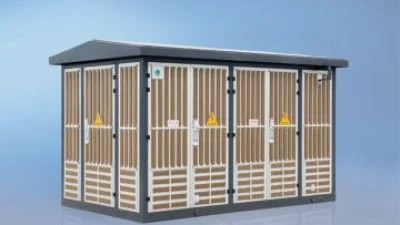
The China YB□-12 high-low voltage prefabricated substation is designed to provide reliable power distribution for modern urban and industrial environments. Compliant with the GB17467 standard, this compact integrated unit combines high-voltage, transformer, and low-voltage equipment in a practical structure, helping simplify installation while supporting stable electrical operation. Its prefabricated design is suitable for projects that require efficient deployment, space optimization, and dependable power management.
The YB□-12 can serve urban public power networks, road lighting systems, commercial buildings, residential communities, hotels, parks, and construction sites. It is also well suited to industrial and mining facilities, oil field terminals, and other demanding applications where consistent power delivery is essential. The enclosure provides organized equipment protection and supports convenient operation and maintenance in different environmental conditions.
Designed to accommodate both ring network and terminal power supply configurations, the substation can be adapted to the specific layout and load requirements of each project. Its flexible application range makes it a practical choice for infrastructure upgrades, new developments, and distributed power systems. High-quality production from experienced Chinese suppliers and manufacturers further supports dependable performance, efficient installation, and long-term service in varied power distribution settings.
FAQS
: China has dense manufacturing clusters for sheet metal, plastics, and electrical components. This network supports shorter production cycles and practical customization. That advantage is real. Quality still varies between suppliers.
Common choices include powder-coated steel, stainless steel, and UV-resistant engineering plastics. Stainless steel suits humid or coastal locations. Plastic reduces weight and corrosion risks. Material selection should match the installation environment.
Wall-mounted boxes suit workshops, homes, and small commercial sites. Pole-mounted boxes support lighting, cameras, and agricultural power lines. Floor-standing cabinets provide space for breakers, meters, busbars, and surge protection. Meter boxes and feeder pillars are also available.
Check the ingress rating, impact resistance, drainage, ventilation, and lock quality. Inspect gasket compression around the door. Examine cable glands carefully. Weak cable entries can admit water.
Compare identical specifications, including material, circuit rating, protection level, and temperature range. Request separate costs for products, packaging, testing, tooling, and shipping. A low quotation may exclude important components. Cheap can become expensive.
Ask for insulation, grounding, heat-rise, and water-resistance test records. Water-spray checks can reveal poor seals. Temperature tests may expose ventilation problems. Testing records should match the supplied batch.
Review monthly output, assembly lines, inspection procedures, and seasonal lead times. Request factory photographs and a realistic production schedule. Independent inspections can improve confidence. No audit catches everything.
Suppliers may customize dimensions, busbar layouts, labels, cable directions, glands, and mounting brackets. Customization should leave enough interior space for cooling and maintenance. A crowded cabinet creates practical problems. More features are not always better.
Conclusion
An Outdoor Distribution Box is a protective enclosure used to organize, connect, and control electrical equipment in outdoor environments. This article explains why China has become a competitive source for these products, including its broad manufacturing capabilities, flexible production options, and experience serving different market requirements. It introduces common types, such as wall-mounted, pole-mounted, metal, plastic, waterproof, and customized distribution boxes, helping buyers identify the most suitable solution for their projects.
The article also provides practical guidance for evaluating a reliable Chinese supplier. Buyers should review enclosure materials, ingress protection, electrical safety standards, quality-control procedures, customization capabilities, production capacity, and delivery performance. Comparing quotations should involve more than price alone; product quality, testing, technical support, minimum order quantity, and after-sales communication are equally important. Before placing an order, customers should confirm drawings, specifications, samples, certifications, inspection arrangements, packaging, payment terms, and shipping details to reduce risks and ensure consistent product performance.
Related Posts
-
Why You Need a Distribution Box: Key Benefits and Applications Explained
-
Understanding High Voltage RMUs: Key Innovations and Their Impact on Electrical Infrastructure
-
What is Lv Gis Switchgear? Understanding its Features and Benefits
-
Discover Top Wholesale High-Quality Rmu Electrical Panel Service in China?
-
Top Rmu Switchgear Solutions for 2026 What You Need to Know
-
2026 How to Choose the Best Wholesale China Rmu Electrical Panel Service?