
Electricity is becoming the foundation of modern industry, transport, buildings, and data infrastructure. The International Energy Agency’s Electricity 2024 report projects global electricity demand will grow by about 4% annually through 2026. That growth creates pressure on voltage stability, load balancing, equipment protection, and grid responsiveness. An Electricity Controller is no longer a simple switching device. It can influence safety, efficiency, uptime, and operating costs across different markets.
“The world is entering an age of electricity,” said Fatih Birol, Executive Director of the International Energy Agency. His observation gives buyers a practical warning. Demand is rising, but product quality remains uneven. The right controller must match local voltage, frequency, communication protocols, environmental conditions, and certification requirements. A low-cost unit may look attractive on paper. It may fail under heat, dust, voltage fluctuations, or continuous switching.
This guide reviews 10 Best Electricity Controllers for Global Buyers through a practical purchasing lens. It considers control accuracy, thermal protection, overload response, installation complexity, remote monitoring, warranty support, and total ownership cost. Standards such as IEC 60947 and IEEE 1547 may also affect product selection, depending on the application and region. Brands including Schneider Electric, Siemens, ABB, Eaton, and Rockwell Automation offer different strengths, but no supplier fits every project. That is the uncomfortable part. Buyers still need site data, installer feedback, and careful technical verification before choosing an Electricity Controller. Numbers help. Field conditions decide.
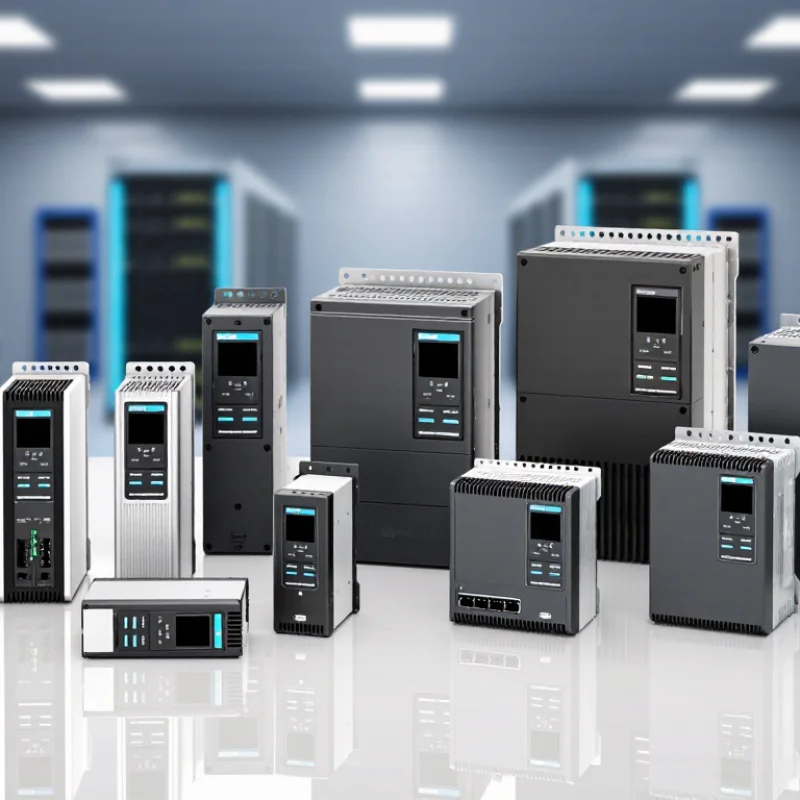
What Electricity Controllers Are and How They Work
10 Best Electricity Controllers for Global Buyers
Electricity controllers are devices that manage how electrical power flows through a system. They regulate voltage, switch loads, and respond to changing demand. Some use sensors, while others follow programmed schedules. The term is not perfectly standardized. That matters. A buyer should check the controller’s exact function before comparing models. In a typical system, a sensor measures voltage, current, temperature, or power usage. The controller processes that signal. It then adjusts a relay, contactor, or electronic circuit. When demand rises, it may reduce a load or redirect power. This basic loop helps protect equipment and improve energy control.
For example, a temperature sensor can guide a controller in a heating system. If the temperature exceeds the setting, the controller disconnects the load. In an Electricity Meter Box, controllers can coordinate circuits and support safer energy monitoring. Clear labeling helps technicians identify each connection. Installers also inspect wire size, grounding, enclosure space, and heat buildup. Small errors can create unreliable readings or nuisance shutdowns. It sounds simple.
Global buyers should compare operating voltage, switching capacity, response time, and environmental rating. Look for clear technical documents and traceable safety testing. Local grid conditions can affect performance. A controller rated for one supply system may not suit another. I would not rely on a product photo alone. Ask for wiring diagrams and maintenance requirements. The overlooked detail is servicing. Contacts wear. Sensors drift. Even a well-designed controller needs periodic inspection in dusty, hot, or humid locations.
Key Types of Electricity Controllers for Different Applications
Electricity controllers vary by task, voltage level, and operating environment. The best choice depends on what must be controlled. According to the International Energy Agency’s Electricity 2024 report, global electricity demand is expected to grow by about 4% annually through 2026. This growth increases demand for accurate, adaptable control equipment.
Voltage regulators suit sensitive facilities where unstable voltage can damage instruments or interrupt production. Motor controllers manage acceleration, speed, and braking in pumps, conveyors, and compressors. For solar systems, MPPT charge controllers improve energy harvesting by tracking changing panel output. IRENA reported that renewable sources represented about 86% of new global power capacity added in 2023, making solar-related control increasingly important. However, panel performance can fall sharply under heat, shading, or dust.
Grid-tied applications often require power factor controllers, automatic transfer controllers, or intelligent energy management systems. Industrial sites may combine programmable controllers with protective relays, sensors, and remote monitoring. Small commercial buildings usually need simpler load controllers for lighting, heating, and backup power. Field testing matters more than a polished specification sheet.
No controller fits every site. Selection should consider fault response, enclosure rating, communication standards, maintenance access, and local grid requirements. IEC 60364 guidance highlights the importance of coordination between protection and control devices. In practice, classifications overlap. That detail is easy to miss. A controller rated correctly on paper may still perform poorly when harmonics, humidity, or sudden loads appear. Testing under real operating conditions remains essential.
| No. | Controller Type | Primary Function | Typical Electrical Range | Control Method | Best-Fit Applications | Important Selection Criteria | Common Standards or Features |
|---|---|---|---|---|---|---|---|
| 1 | Programmable Logic Controller (PLC) Industrial automation |
Executes programmable logic, sequencing, timing, counting, and closed-loop control for machines and processes. | Typically 24 VDC control power; digital and analog I/O modules may interface with low-voltage signals and industrial AC equipment through switching devices. | Programmed logic, timers, counters, analog control, and communication networks. | Production lines, packaging machines, water treatment, building systems, and material handling. | I/O count, scan time, expansion capability, operating temperature, memory, communication ports, and software ecosystem. | Modular architecture, remote I/O support, Ethernet-based communication, diagnostic status indicators, and industrial enclosure options. |
| 2 | Variable-Frequency Drive (VFD) AC motor control |
Adjusts AC motor speed and torque by controlling output frequency and voltage. | Commonly used with single-phase or three-phase AC supplies; output voltage and current must match the motor rating. | Frequency and voltage modulation, usually with ramp-up, ramp-down, and optional sensorless vector control. | Pumps, fans, conveyors, compressors, HVAC equipment, and machine tools. | Motor power and current, input phase, overload capacity, braking requirements, harmonic performance, and enclosure rating. | Adjustable acceleration, deceleration, electronic overload protection, fault logging, and local or remote speed references. |
| 3 | PID Temperature Controller Thermal processes |
Maintains a target temperature by comparing measured temperature with a setpoint and correcting the heating or cooling output. | Sensor inputs commonly include thermocouples and RTDs; outputs may be relay, solid-state, pulse, or 4–20 mA. | Proportional-integral-derivative control with auto-tuning or manual tuning. | Ovens, furnaces, plastic processing, food equipment, laboratory systems, and HVAC zones. | Sensor type, temperature range, control cycle time, output capacity, alarm functions, display readability, and tuning stability. | High/low alarms, sensor-break detection, programmable setpoints, panel mounting, and optional communications. |
| 4 | Solar Charge Controller Renewable energy |
Regulates energy from photovoltaic panels to charge batteries safely and supply connected DC loads. | System voltages commonly include 12 V, 24 V, 36 V, or 48 V battery banks; current rating depends on the model and solar array. | PWM or MPPT charging, with staged charging such as bulk, absorption, and float. | Off-grid homes, telecommunications, mobile systems, agricultural installations, and backup power. | Battery chemistry, nominal battery voltage, maximum PV voltage, charging current, cold-weather voltage margin, and load output rating. | Reverse-polarity protection, over-temperature protection, low-voltage disconnect, battery temperature compensation, and monitoring. |
| 5 | Automatic Transfer Switch Controller Power continuity |
Monitors a utility source and transfers a load to an alternate source when voltage or frequency leaves configured limits. | Designed for low-voltage or medium-voltage systems according to the switchgear assembly; current capacity is determined by the transfer equipment. | Automatic source sensing with adjustable transfer, retransfer, and generator start delays. | Data centers, hospitals, commercial buildings, factories, emergency systems, and critical infrastructure. | Number of poles, source compatibility, transfer time, neutral switching, bypass capability, short-circuit rating, and control voltage. | Undervoltage and overvoltage sensing, phase-loss detection, frequency monitoring, manual override, and event logging. |
| 6 | Soft Starter Motor starting |
Reduces motor inrush current and mechanical shock during starting and can provide controlled stopping. | Usually applied to three-phase AC induction motors; current and voltage ratings must match the motor and installation. | Gradual thyristor-based voltage ramping with adjustable start and stop profiles. | Pumps, compressors, conveyors, fans, crushers, and applications where direct-on-line starting is unsuitable. | Motor full-load current, starting torque, start frequency, bypass arrangement, ambient temperature, and required overload class. | Current limiting, kick-start function, motor overload protection, phase-loss detection, and thermal monitoring. |
| 7 | Solid-State Relay Controller Fast switching |
Switches AC or DC electrical loads electronically without mechanical contacts. | Available for low-voltage DC loads and many AC load circuits; actual voltage and current limits depend on the semiconductor design. | Zero-cross switching for resistive AC loads or random-fire switching for phase control and faster response. | Heaters, lighting, laboratory equipment, vending machines, industrial automation, and process control. | Load type, continuous current, surge current, heat dissipation, switching frequency, leakage current, and isolation voltage. | Optical isolation, built-in or external heat sinking, LED status indication, snubber protection, and fast switching. |
| 8 | DC-DC Power Controller Voltage conversion |
Converts one DC voltage level to another while regulating the output for electronic or electrical loads. | Common topologies include buck, boost, buck-boost, and isolated converters; input and output ranges vary by design. | High-frequency switching with feedback-based voltage or current regulation. | Battery systems, vehicles, telecom equipment, embedded electronics, industrial sensors, and portable devices. | Input range, output voltage, continuous power, efficiency, isolation, transient response, cooling method, and electromagnetic compatibility. | Overcurrent, short-circuit, overvoltage, and over-temperature protection; adjustable output and remote enable may be available. |
| 9 | Battery Management System (BMS) Energy storage |
Monitors battery cells and manages charging, discharging, balancing, and protection. | Designed for specific cell chemistries and series counts; current ratings must cover both continuous and peak load conditions. | Cell-voltage monitoring, temperature monitoring, passive or active balancing, and protection switching. | Energy storage cabinets, electric mobility, backup batteries, industrial equipment, and portable power systems. | Cell chemistry, series count, balancing current, charge/discharge current, temperature sensors, communication protocol, and isolation. | Overcharge, over-discharge, overcurrent, short-circuit, and thermal protection with state-of-charge estimation. |
| 10 | Power Factor Correction Controller Power quality |
Controls capacitor steps or active conversion circuits to improve power factor and reduce reactive power demand. | Used in single-phase or three-phase low-voltage distribution systems; switching capacity depends on the connected correction equipment. | Measures voltage, current, and phase relationship, then switches correction stages automatically. | Commercial buildings, manufacturing plants, pumps, compressors, and installations with inductive loads. | System voltage, frequency, number of stages, harmonic distortion, capacitor duty, response time, and CT installation. | Automatic step control, overvoltage protection, capacitor overload monitoring, alarm outputs, and power-quality display. |
| Buyer note: Electrical ratings are representative ranges rather than universal specifications. Confirm supply voltage, frequency, phase configuration, load current, environmental conditions, local grid requirements, and applicable safety certifications before purchase or installation. | |||||||
Essential Features to Compare Before Buying
10 Best Electricity Controllers for Global Buyers
Essential Features to Compare Before Buying
Choosing an electricity controller requires more than checking its advertised power rating. Compare the input voltage, frequency range, maximum load, and switching method against your actual installation. A controller designed for a single-phase system may not suit a three-phase workshop. Check the label carefully. Small differences matter.
Safety features deserve close attention. Look for overload protection, short-circuit response, thermal limits, and safe isolation during maintenance. An IP rating can indicate resistance to dust and moisture, but it does not make every device suitable for outdoor exposure. Confirm the operating temperature range and enclosure materials. I would also inspect the terminal design, because loose connections can create heat, noise, and premature failure.
Control accuracy affects both performance and running costs. Compare response time, adjustment range, sensor compatibility, and manual override options. A clear display helps technicians identify faults without opening the enclosure. Remote monitoring may be useful, but only when the communication system is secure and reliable. Do not assume extra software means better control. Sometimes it adds complexity.
For international purchasing, request test reports, wiring diagrams, installation instructions, and traceable product details. The controller should match local electrical requirements and qualified installation practices. Check warranty terms, replacement access, and technical support across time zones. A low purchase price can become expensive when documentation is poor. I have found that comparison tables reduce mistakes, although they cannot replace a hands-on inspection.
10 Best Electricity Controllers for Global Buyers
Choosing among the 10 best electricity controllers for global buyers requires more than comparing prices. The right unit depends on voltage, current, load type, climate, and installation skill. A solar charge controller may suit a small off-grid system, while a programmable industrial controller handles pumps, heaters, or production equipment. Motor speed controllers need careful matching with motor phase, rated current, and starting load. Battery controllers should include overcharge, deep-discharge, short-circuit, and temperature protection.
I compare datasheets before physical samples. Useful details include terminal size, enclosure rating, operating temperature, standby consumption, and response time. A controller used in a humid coastal shed needs stronger protection than one installed inside a dry cabinet. Clear wiring labels matter too. They reduce mistakes during maintenance. Look for documented testing and compliance with the destination market’s electrical requirements. Local voltage and frequency can change the buying decision.
My first shortlist was too broad. Some compact units looked excellent but lacked replacement terminals and readable fault codes. That weakness appeared during bench testing. Real users should also check firmware access, spare-part support, warranty terms, and installation instructions in a familiar language. Ten impressive specifications do not guarantee dependable operation. Ask for test reports, not only marketing claims. Leave space for ventilation, and never select a controller at its exact maximum rating. A safety margin is practical. Mistakes still happen.
Compatibility, Safety Standards, and Regional Requirements
10 Best Electricity Controllers for Global Buyers: Compatibility, Safety Standards, and Regional Requirements
Choosing among the 10 best electricity controllers requires more than checking current capacity. Regional voltage, frequency, wiring systems, and enclosure requirements can change the result. Many markets use 220–240 V at 50 Hz, while others commonly use 100–127 V at 60 Hz. A controller rated for one range may overheat or switch inaccurately in another.
The IEA’s Electricity 2025 report states that global electricity demand rose by 4.3% in 2024. It also expects strong growth through 2027. This makes reliable control equipment increasingly important in homes, factories, and commercial buildings. Buyers should verify compliance with relevant IEC standards, including IEC 60947for Low-Voltage Switchgear andIEC 60669 for household switches. Local certification still matters. An IEC test report may not replace regional approval.
Tips: Check the full input range, not only the nominal voltage. Confirm frequency compatibility. Review the controller’s short-circuit rating, operating temperature, ingress protection, and terminal size. Ask for test reports from an accredited laboratory. A clear wiring diagram is essential.
Installation conditions deserve equal attention. Humid rooms may require stronger enclosure protection. High-altitude sites can reduce cooling performance. In practice, product labels are sometimes incomplete, and online specifications can conflict. That uncertainty should be treated as a warning, not a minor inconvenience. A qualified local electrician should confirm the design before purchase, especially where neutral wiring or grounding methods differ.
Installation, Maintenance, and Long-Term Operating Costs
Choosing among the 10 best electricity controllers requires more than comparing purchase prices. Installation conditions often determine long-term performance. Check voltage range, communication protocols, enclosure rating, and local electrical requirements before ordering. A controller that fits the cabinet may still need expensive rewiring.
The International Energy Agency reports that the world may need more than 80 million kilometres of new or refurbished grids by 2040. Its 2023 grid report also estimates annual grid investment must exceed 600 billion US dollars by 2030. This makes serviceability important. Select controllers with accessible terminals, clear diagnostics, replaceable cooling fans, and documented firmware support. Planned inspections should include thermal scanning, connection torque, dust removal, and alarm testing. Small heat marks can become large failures. The U.S. Department of Energy’s Operations and Maintenance Best Practices guide identifies preventive maintenance, accurate records, and condition monitoring as key cost-control practices. Yet savings are not automatic. Poorly trained contractors can turn a simple inspection into downtime.
Tips: Ask for a five-year ownership estimate. Include installation labour, calibration, spare parts, software access, energy losses, and disposal. Compare warranty response times, not only warranty length. Keep one critical replacement unit nearby when downtime is costly. I would also question optimistic efficiency claims; field conditions, heavy loads, humidity, and ageing can change the result. A cheaper controller may consume more electricity every hour. That difference deserves measurement, not assumption.
FAQS
A voltage regulator helps stabilize power for instruments and production equipment. Unstable voltage can cause interruptions or damage. Check response time, voltage range, and fault handling.
A motor controller manages starting, speed, acceleration, and braking. Match it with the motor phase, rated current, and starting load. Exact ratings can be misleading.
An MPPT controller tracks changing panel output and improves energy harvesting. Heat, shade, and dust can reduce panel performance. Clean panels still matter.
Look for overcharge, deep-discharge, short-circuit, and temperature protection. The controller should match battery voltage and current limits. Leave a practical safety margin.
Power factor controllers, transfer controllers, and energy management systems support grid-connected applications. Local voltage, frequency, and grid requirements affect selection. Check compatibility before installation.
Industrial systems may combine programmable controllers, protective relays, sensors, and remote monitoring. Consider fault response, communication standards, enclosure rating, and maintenance access. Real testing matters more.
Compare terminal size, operating temperature, standby consumption, response time, and enclosure protection. Review wiring labels and installation instructions carefully. Do not compare price alone.
Sudden loads, heat, humidity, and harmonics can reduce performance. Choose a controller with spare capacity and provide ventilation. I once shortlisted compact units too quickly. Their fault codes were unclear, and replacement terminals were unavailable.
Conclusion
This guide explains what an Electricity Controller is and how it regulates, switches, or manages electrical power in residential, commercial, industrial, and renewable-energy systems. It introduces key controller types for different applications, including voltage regulation, motor control, lighting management, battery systems, and automated power distribution. Readers will also learn which features matter most before buying, such as rated voltage and current, control accuracy, response time, energy efficiency, protection functions, installation method, and monitoring options.
The guide then presents ten strong Electricity Controller choices for global buyers without focusing on any specific brand. It highlights the importance of checking compatibility with local electrical systems, certification requirements, frequency standards, environmental conditions, and regional safety regulations. Finally, it covers practical considerations for installation, routine maintenance, troubleshooting, replacement planning, and long-term operating costs. By comparing performance, safety, durability, adaptability, and total ownership expenses, buyers can select a controller that matches their application and supports reliable electrical management over time.
Related Posts
-

2026 Best Electricity Controller Solutions for Global Buyers?
-
Top 10 Rmu Breaker Models for Global Buyers in 2026
-

2026 Top China Wholesale Rmu Electrical Panel Service Insights?
-
What is High Voltage RMU and Why is it Essential for Power Distribution
-
2026 How to Choose a High-Quality China DC Charging Pile Supplier?
-

How to Choose the Right Electricity Controller for Your Home or Business