

Rail and urban transit facilities need distribution for stations, depots and passenger infrastructure. Nanyoung’s relevant scope is facility power equipment, including switchgear, substations and low-voltage distribution. Traction, signalling and railway-specific systems require a separate interface and suitability review.
Application Scenarios
Stations and Interchanges
Passenger facilities combine lighting, ventilation, lifts and escalators. Reflect the station layout and the priority assigned to each group of building-service loads.
Depots and Workshops
Maintenance buildings combine workshop equipment, service areas and changing activities. Review starting duties, local isolation and space for later workshop additions.
Line-Side Service Facilities
Service buildings and distributed utility points can be separated by considerable distances. Assess incoming supply, local transformation and maintenance access at each location.
Distribution Priorities
- Define Critical Interfaces. Separate facility power from traction, signalling and other specialist systems. Agree the supply boundary and continuity requirements with the responsible suppliers.
- Support Controlled Maintenance. Review sectionalization and access around operational maintenance windows. Equipment identification should match the site documentation.
- Consider the Environment. Record vibration exposure, dust, temperature and room access. Match equipment ratings and installation arrangements to the specific facility.
Typical Distribution Approach
- Classify Facility Loads. Prepare schedules for stations, workshops and remote buildings, identifying normal and priority supplies.
- Plan Supply and Distribution. Review the incoming connection, local substations, main distribution and feeders. Identify standby or uninterruptible interfaces where required.
- Coordinate Across Disciplines. Agree cable routes, space reservations and maintenance access. Define boundaries between general distribution and specialist rail equipment.
Related Products
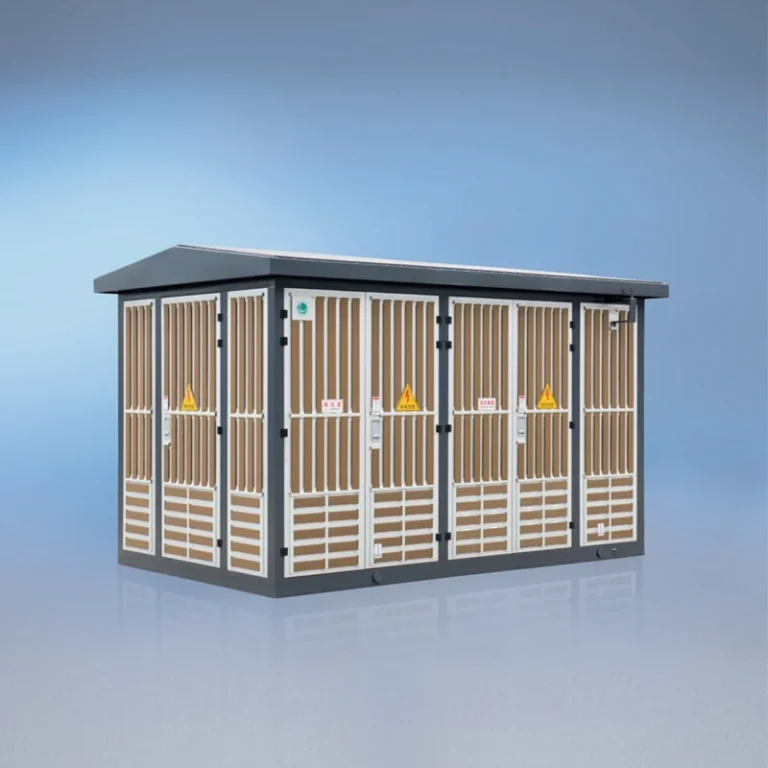
YB□-12 High-Low Voltage Prefabricated Substation
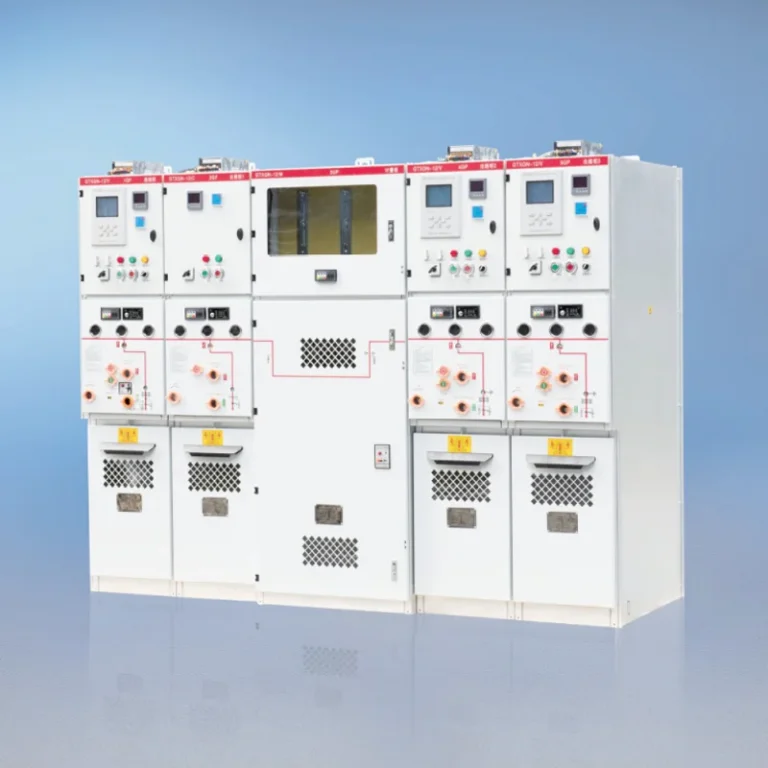
NYS-12 Solid-Insulated Ring Main Unit Switchgear
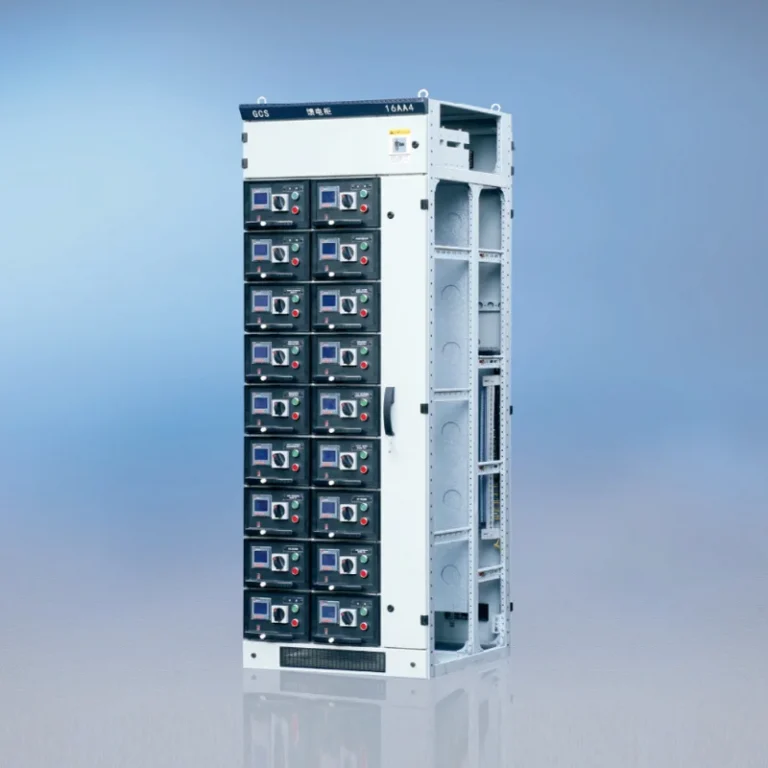
GCS Low-Voltage Switchgear
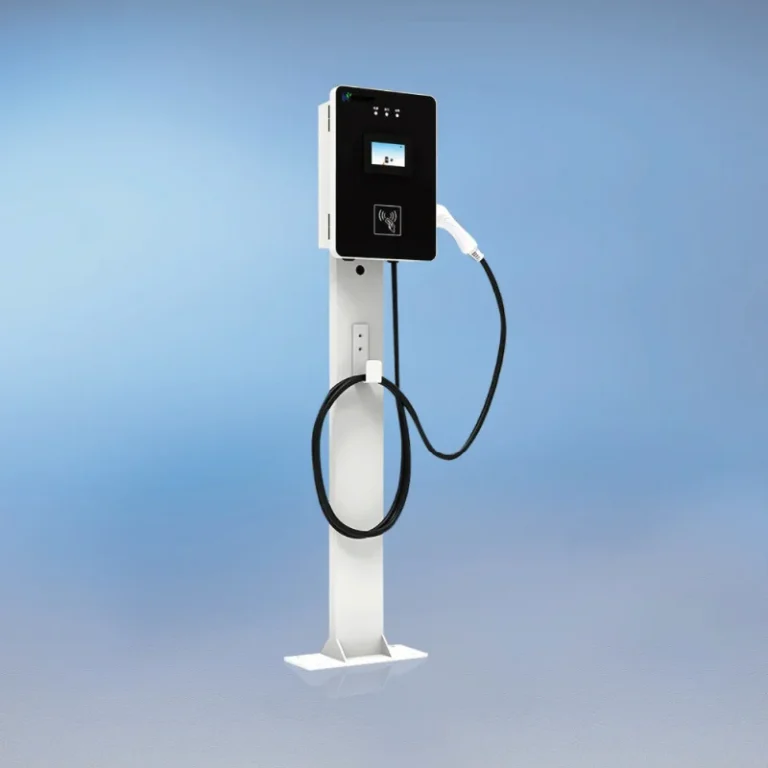
NYACS AC Charging Pile
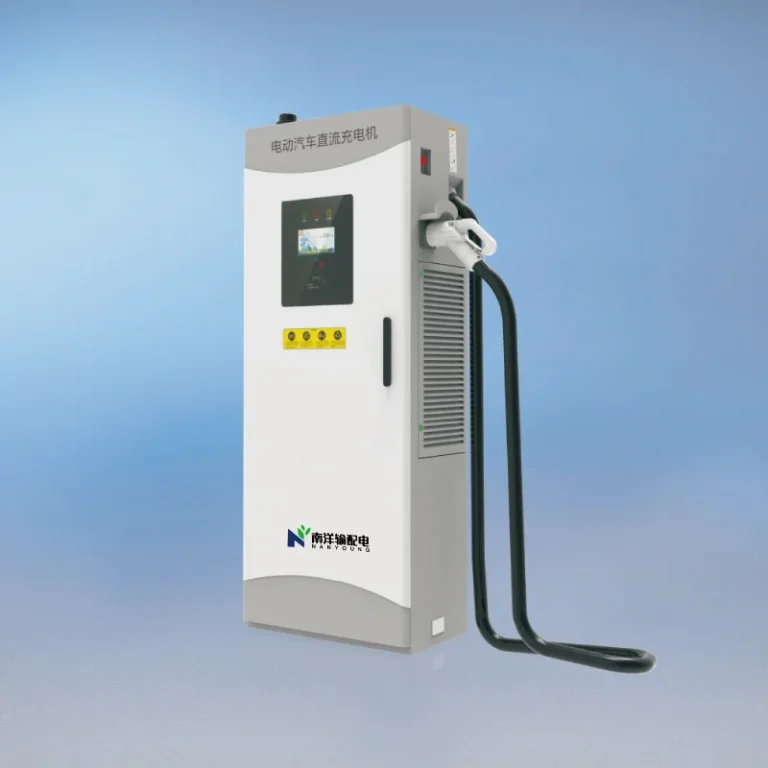
NYVCS DC Charging Pile
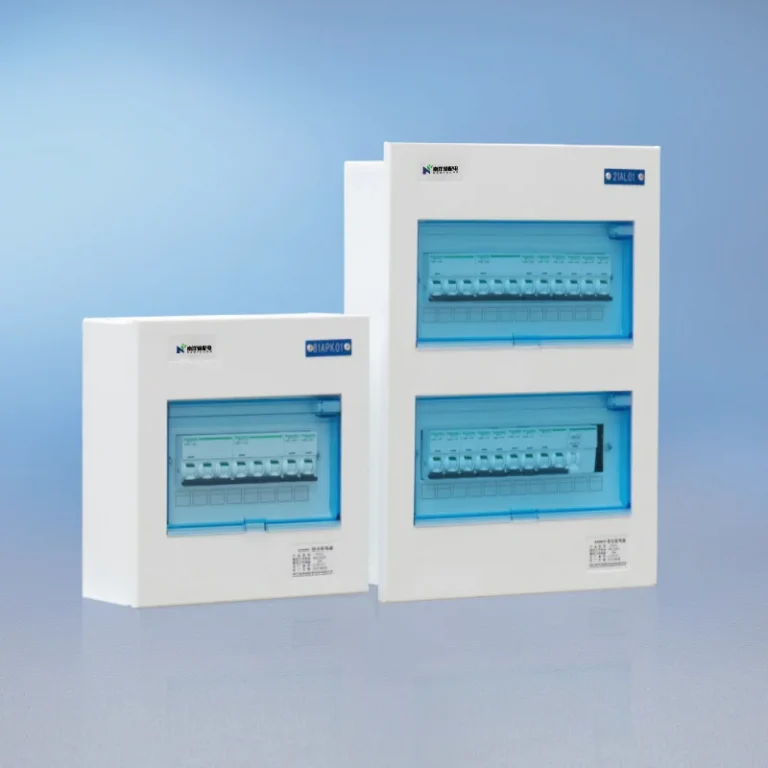
PZ30 Lighting Distribution Box
Project Planning Checklist
Prepare the following information for a more focused equipment and layout discussion.
- Load schedule separating general and specialist railway supplies.
- Incoming network and operational continuity requirements.
- Electrical-room space, cable routes and maintenance windows.
- Environmental conditions and planned station or depot expansion.
Common Project Questions
Which rail facilities does this application cover?
The focus is general distribution for stations, depots, workshops and service buildings. Traction conversion, signalling and other specialist railway systems retain separate supply and approval requirements.
Can depot distribution expand in stages?
A staged approach can be evaluated when future loads, feeder positions and physical space are identified. Check existing capacity and protection before proposing additional sections.
Application references do not constitute railway approval or establish suitability for traction, signalling or safety-critical equipment.