
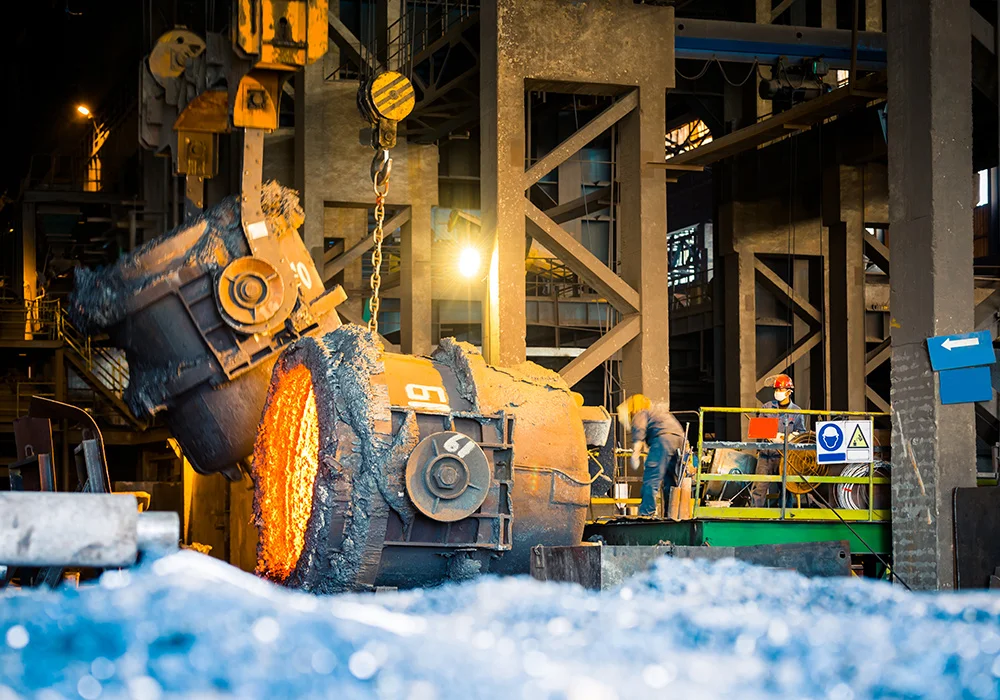
Steel and non-ferrous metal facilities combine large process loads with cooling, handling and workshop services. Distribution should account for load changes, site conditions and maintainable production zones. Nanyoung’s equipment can be assessed for suitable facility and auxiliary duties within an engineered power design.
Application Scenarios
Casting and Rolling Support
Handling equipment, drives and auxiliaries operate around connected production stages. Review supply boundaries and the consequences of interruption along the line.
Cooling and Process Utilities
Cooling water, pumping and support systems can be important to an orderly shutdown. Agree their supply priorities with the process team.
Workshops and Plant Extensions
Additional production and maintenance areas can add considerable demand. Check the retained installation and incoming capacity before defining extension work.
Distribution Priorities
- Understand Variable Loads. Identify large or rapidly changing loads and obtain their operating data. Review distribution against the actual process profile.
- Assess Power Quality. Review study findings before specifying compensation for nonlinear or fluctuating loads. Do not present a cabinet as a universal cure for harmonics or voltage variation.
- Plan for Heat and Dust. Assess ambient conditions, equipment location and maintenance access. Specify electrical rooms and local enclosures for actual exposure.
Typical Distribution Approach
- Establish Process Boundaries. Identify production equipment, handling and utilities. Distinguish specialist furnace or process supplies from general plant distribution.
- Review Plant Distribution. Plan incoming switching, transformation interfaces and low-voltage groups around operating and maintenance zones.
- Coordinate Studies and Equipment. Review fault duty, load changes, protection and power-quality measures before confirming arrangements and interfaces.
Related Products
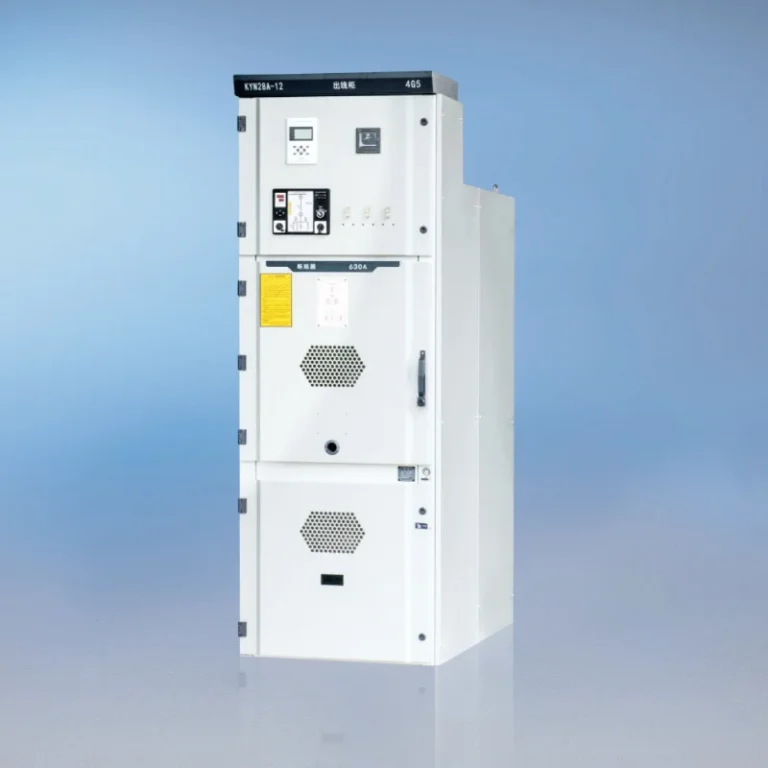
KYN28-12 High-Voltage AC Metal-Enclosed Switchgear
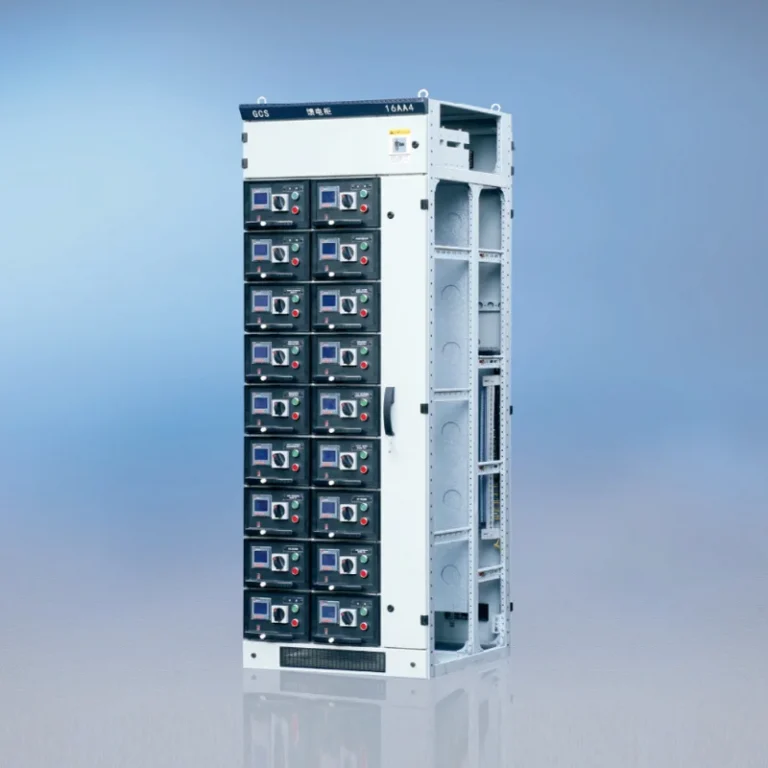
GCS Low-Voltage Switchgear
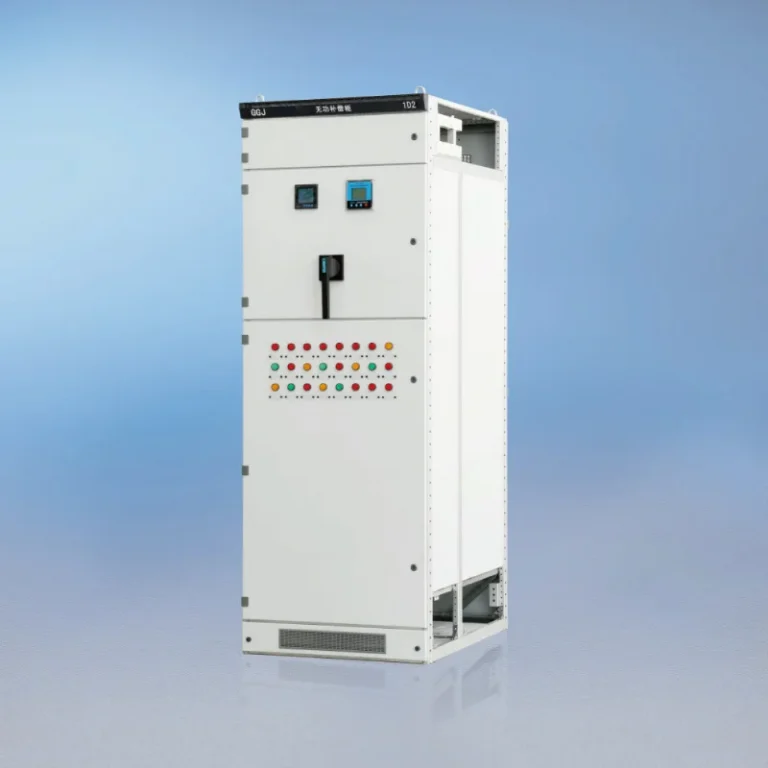
GGJ Low-Voltage Reactive Power Compensation Device
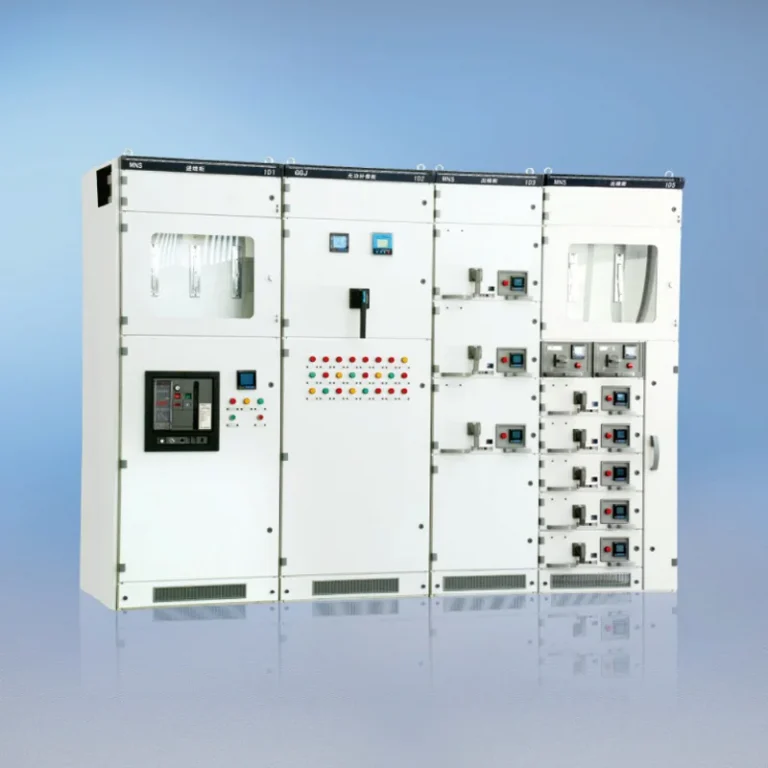
MNS Low-Voltage Switchgear
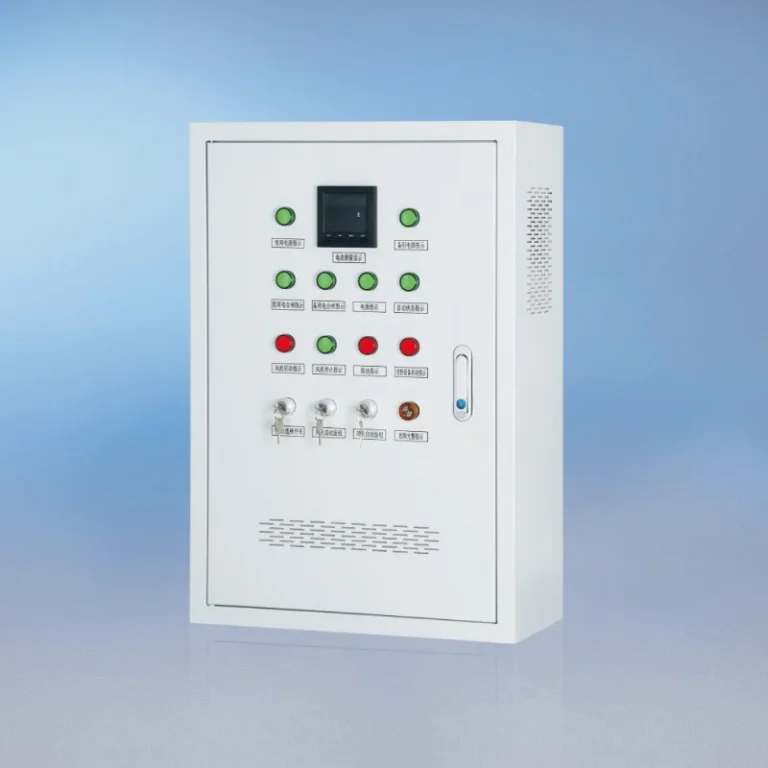
JXF Control Box Series
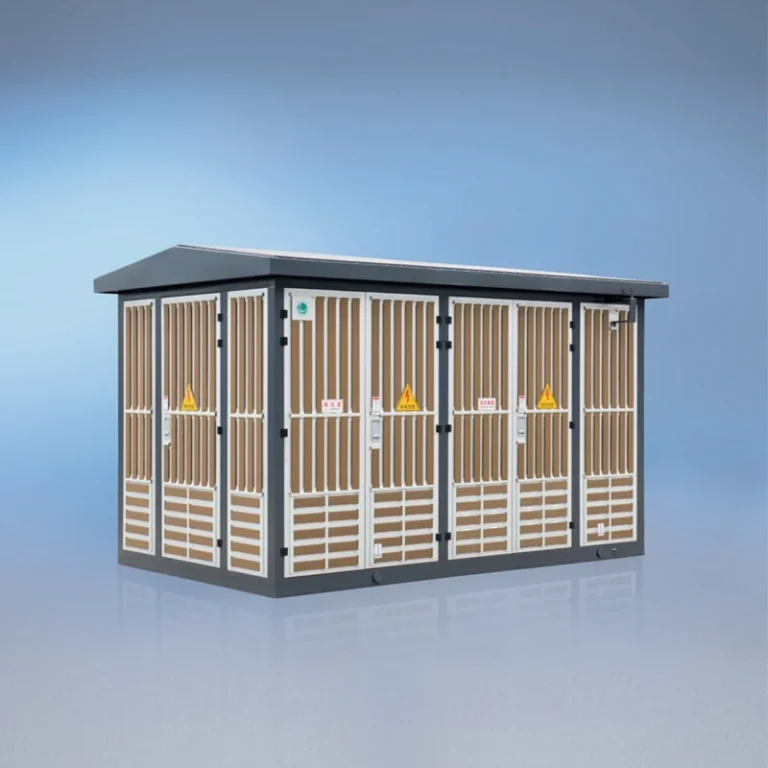
YB□-12 High-Low Voltage Prefabricated Substation
Project Planning Checklist
Prepare the following information for a more focused equipment and layout discussion.
- Process profile, major drives and operating sequences.
- Network studies and measured power-quality information.
- Equipment-room temperature, dust exposure and access.
- Existing installation data, expansion and shutdown constraints.
Common Project Questions
How are process and auxiliary supplies coordinated?
Start by identifying the process equipment and the cooling, handling and workshop loads supporting it. Define interfaces with specialist furnace or converter suppliers, then coordinate the surrounding plant distribution.
Will compensation remove every harmonic issue?
No. Selection depends on network and load conditions. Harmonic behaviour and required filtering need a project-specific assessment rather than a blanket performance promise.
No guaranteed energy savings, harmonic elimination or universal metallurgical-process suitability is implied.