
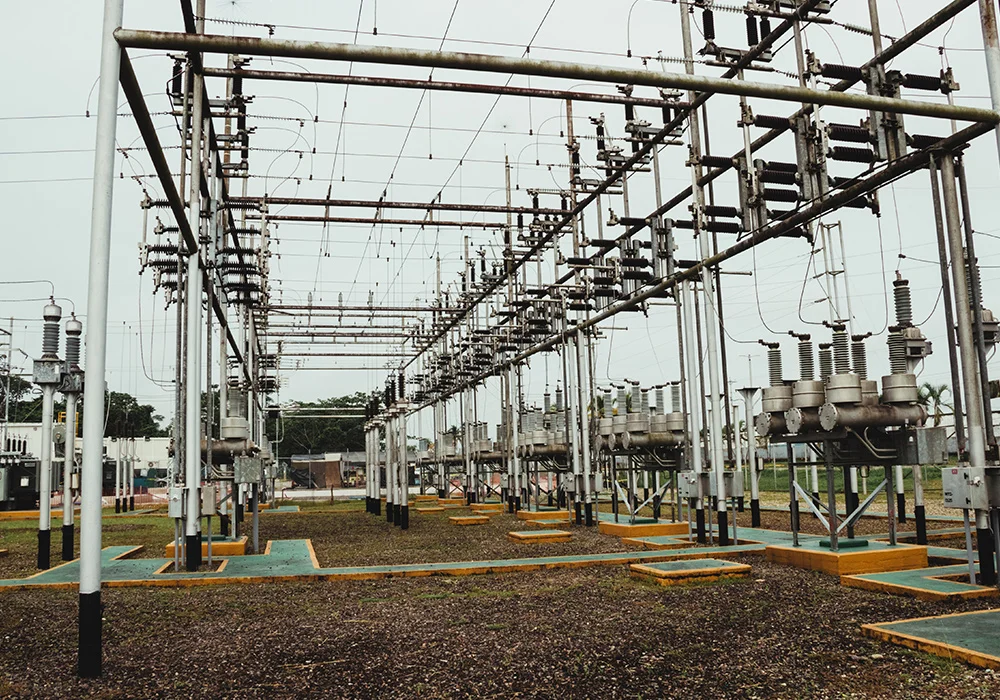
Power engineering projects connect new loads, extend distribution networks and renew substations. Nanyoung’s relevant range focuses on switchgear, ring main units, prefabricated substations and distribution equipment. Define the supply scope from the project’s single-line diagram and confirmed product data.
Application Scenarios
Distribution Network Extensions
New service areas and growing loads require additional distribution points. Review the approved topology, incoming conditions and each participant’s responsibilities.
Substation Construction and Renewal
New and replacement installations require coordination between incoming circuits, transformation equipment and outgoing feeders. Existing space and access can influence the arrangement.
Generation and Large-Load Connections
Industrial developments and generation projects need a defined point of connection. Assess equipment together with utility conditions and connected-system interfaces.
Distribution Priorities
- Select for the Actual Duty. Confirm voltage, current, fault duty and operating conditions. Family names are not substitutes for a reviewed specification.
- Coordinate Protection and Operation. Agree switching, protection responsibilities and secondary-system interfaces with the designer and operator.
- Plan Installation and Renewal. Consider transport, lifting access, terminations and staged replacement. Have the site team review the practical installation sequence.
Typical Distribution Approach
- Establish the Connection Boundary. Identify the incoming network, ownership boundary, connected loads and agreed electrical design inputs.
- Develop the Equipment Arrangement. Review switchgear, ring-network points and packaged substations against the diagram and site layout.
- Finalize Supply Interfaces. Confirm schedules, protection and metering interfaces, drawing responsibilities and the documents required for project review.
Related Products
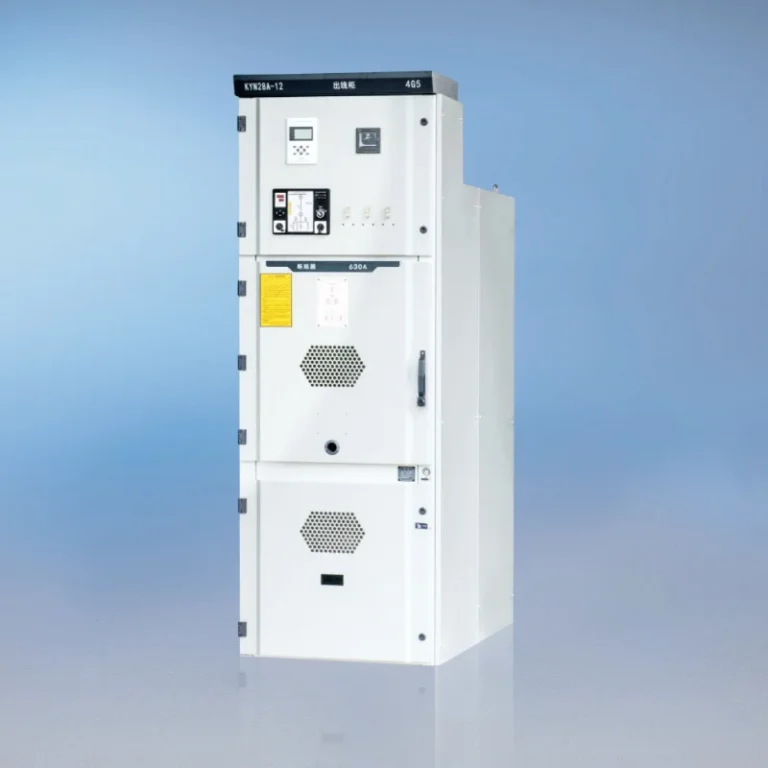
KYN28-12 High-Voltage AC Metal-Enclosed Switchgear
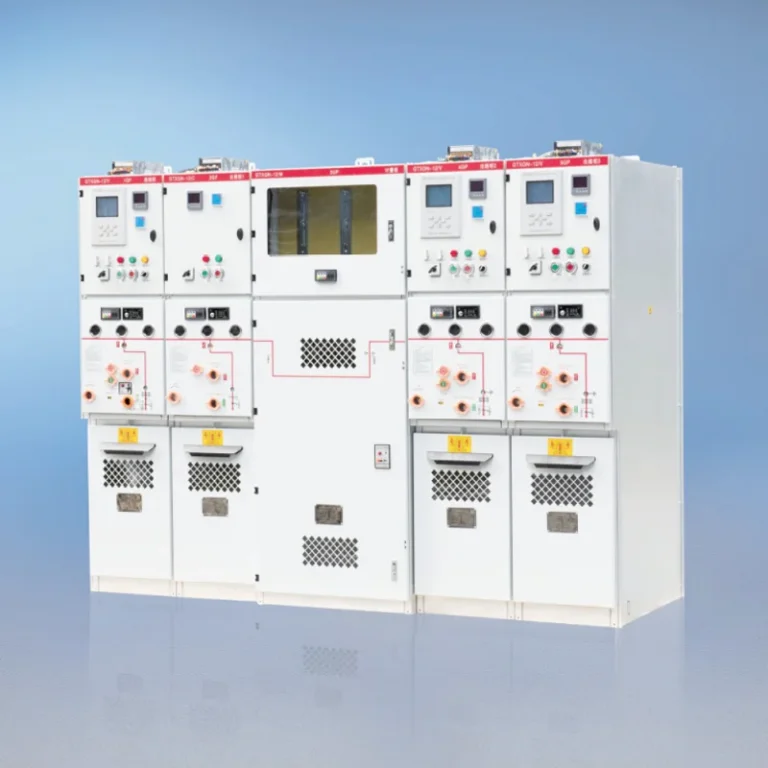
NYS-12 Solid-Insulated Ring Main Unit Switchgear
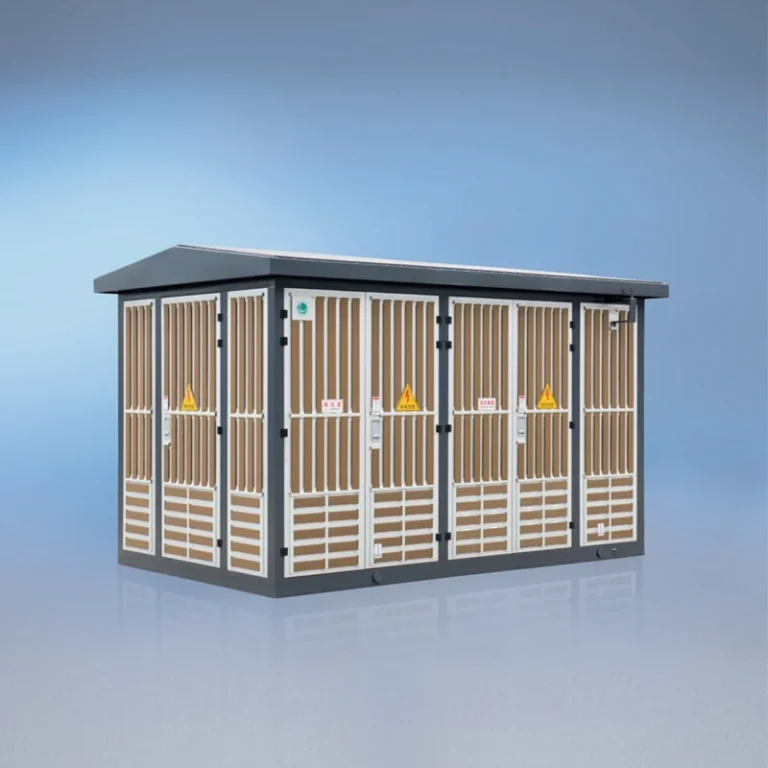
YB□-12 High-Low Voltage Prefabricated Substation
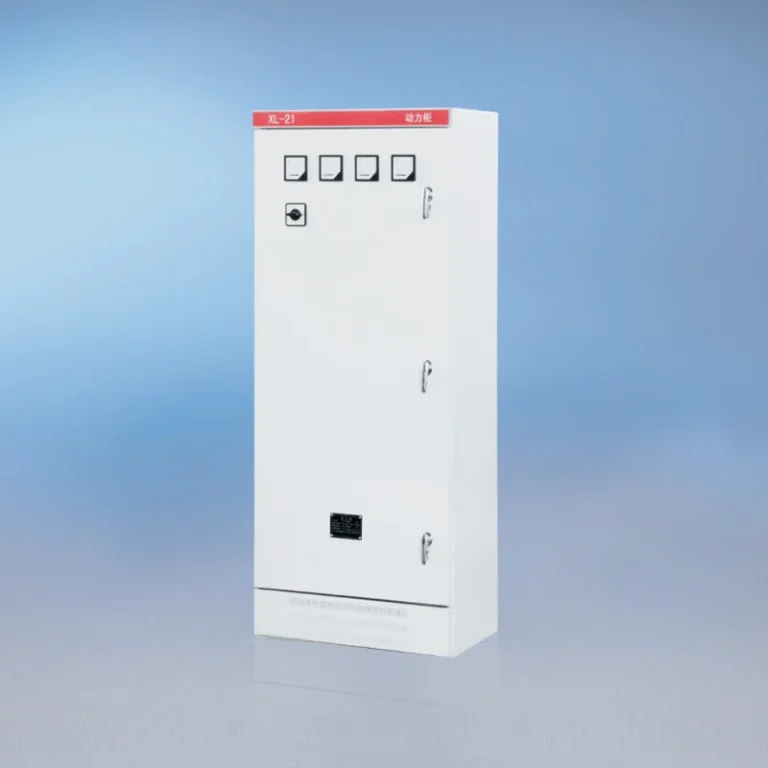
XL-21 Power Cabinet
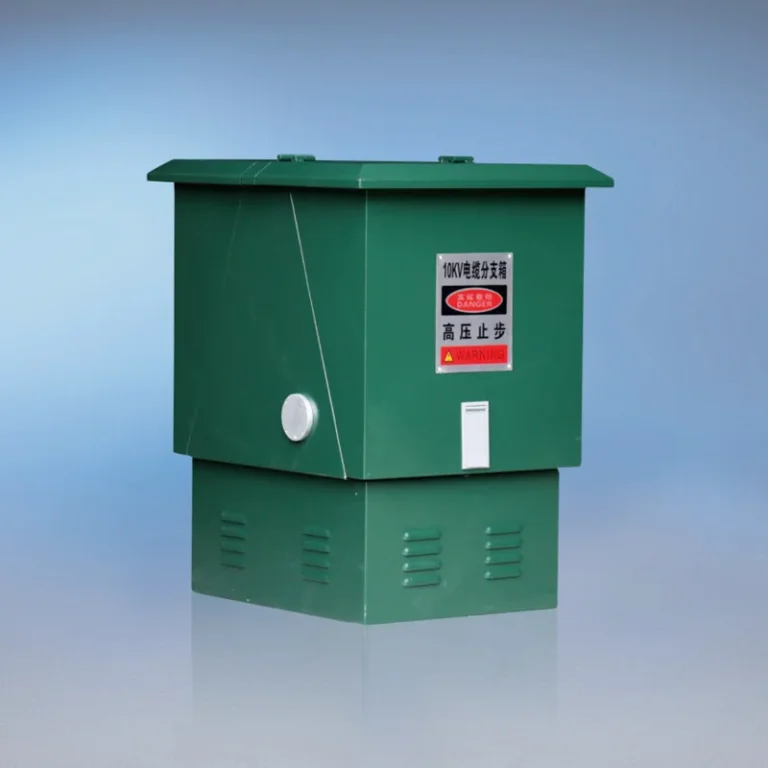
DFW-12 Outdoor High Voltage Cable Distribution Box
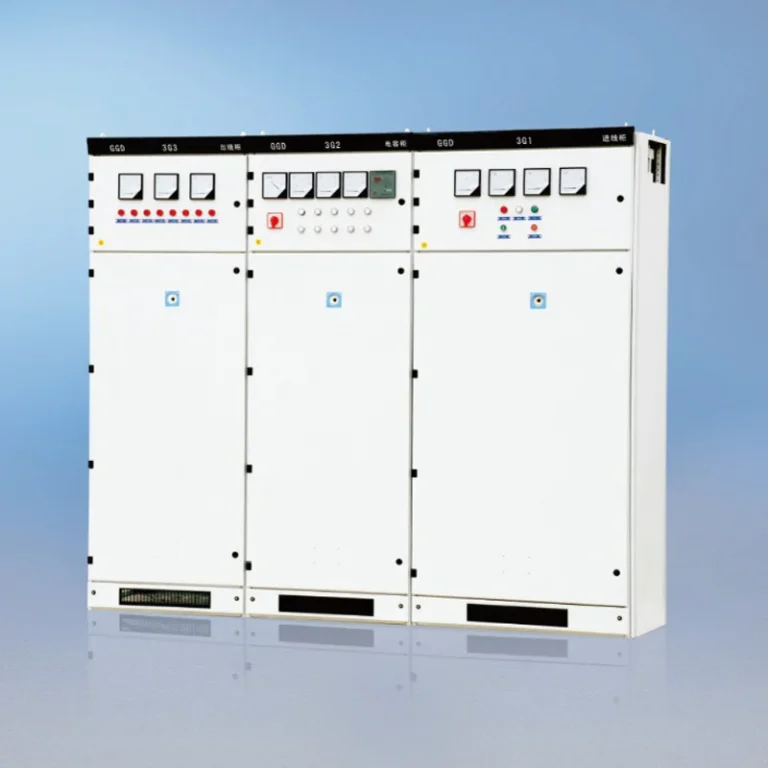
GGD Low-Voltage Switchgear
Project Planning Checklist
Prepare the following information for a more focused equipment and layout discussion.
- Approved single-line diagram and operator connection conditions.
- Equipment schedule covering voltage, current and fault duty.
- Secondary-system, metering and communications requirements.
- Site layout, transport constraints and staged energization plan.
Common Project Questions
What information is needed to select switchgear?
Start with the approved single-line diagram, operating voltage, load current, fault duty and installation conditions. Use those inputs to review the model data and define protection and secondary-system interfaces.
Can a project combine switchgear families?
A combined arrangement may be reviewed, but ratings, protection, interfaces and installation constraints must be coordinated. Similar cabinet dimensions do not establish compatibility.
Selection depends on the approved design and confirmed product data. No blanket voltage-range or utility-acceptance claim is made.