

Airports combine passenger terminals, logistics facilities and continuously operated support services. Distribution should distinguish normal building loads from operationally critical interfaces. Nanyoung’s switchgear and substation families can be reviewed for facility power within the airport’s wider electrical design.
Application Scenarios
Passenger Terminals
Lighting, ventilation, baggage-handling interfaces and passenger services create a varied load profile. Organize distribution by terminal zone, with clear priorities and maintenance responsibilities.
Cargo and Maintenance Areas
Cargo buildings and workshops combine handling equipment, maintenance activities and building services. Review their schedules and starting loads separately from terminal demand.
Airside Support Buildings
Distributed service facilities need practical local distribution and maintenance access. Define the boundary of any interface with specialist airfield or operational systems.
Distribution Priorities
- Classify Operational Loads. Agree normal, standby and uninterruptible supply duties with the airport design team. Equipment selection alone does not establish uninterrupted operation.
- Maintain Distribution Visibility. Identify feeders and operating zones so staff can determine affected areas during faults or maintenance.
- Prepare for Expansion. Consider terminal extensions, new service buildings and changing ground operations. Reserve space and assess capacity against the development plan.
Typical Distribution Approach
- Map Facilities and Priorities. Prepare a site-wide schedule for terminals, cargo facilities and support buildings. Identify specialist systems with separate responsibilities.
- Develop the Facility Network. Review incoming switching, substations and low-voltage sections around the approved power architecture and maintenance strategy.
- Agree Specialist Interfaces. Confirm interfaces with standby generation, UPS and airfield or control-system providers before finalizing equipment scope.
Related Products
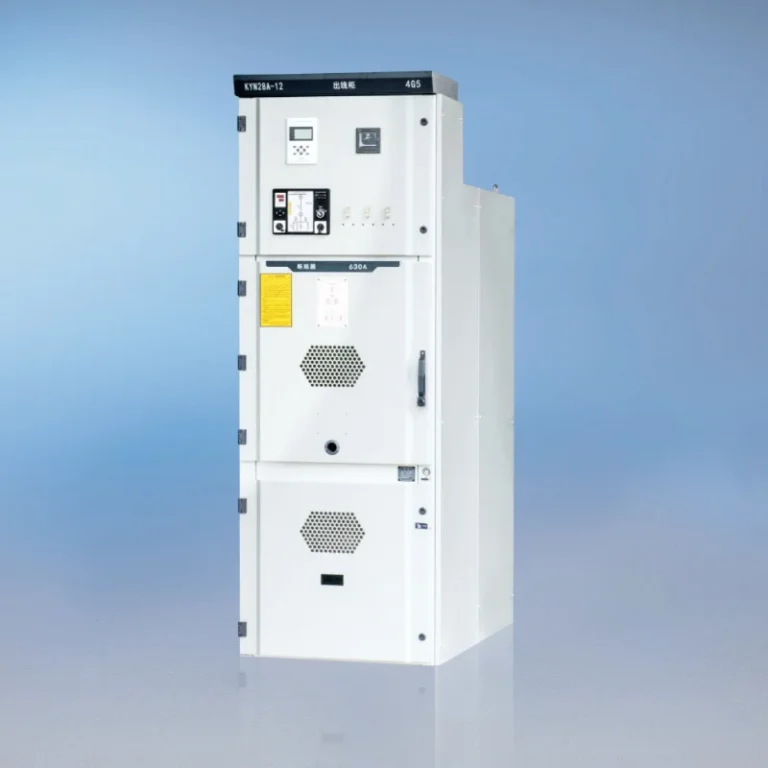
KYN28-12 High-Voltage AC Metal-Enclosed Switchgear
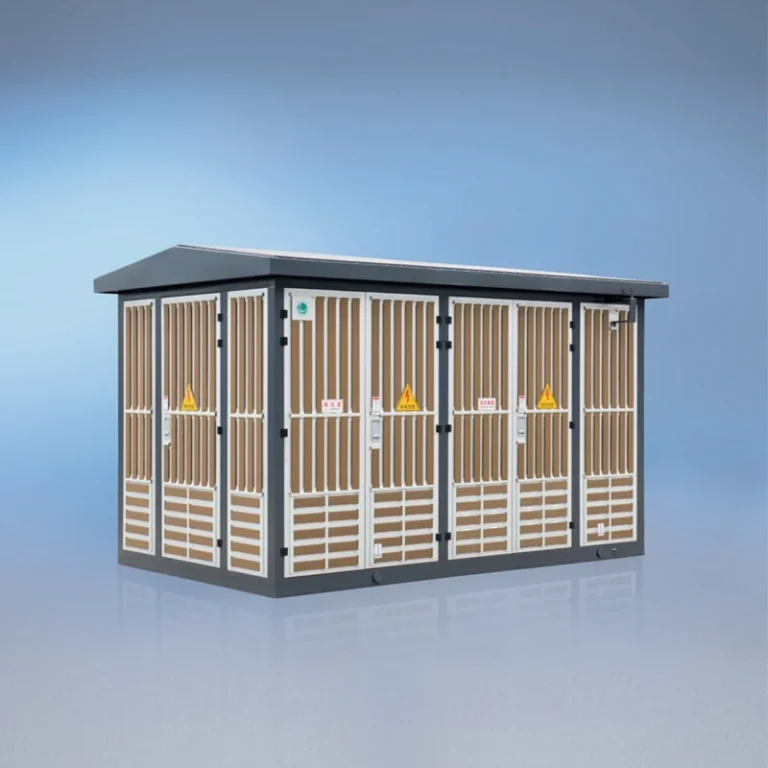
YB□-12 High-Low Voltage Prefabricated Substation
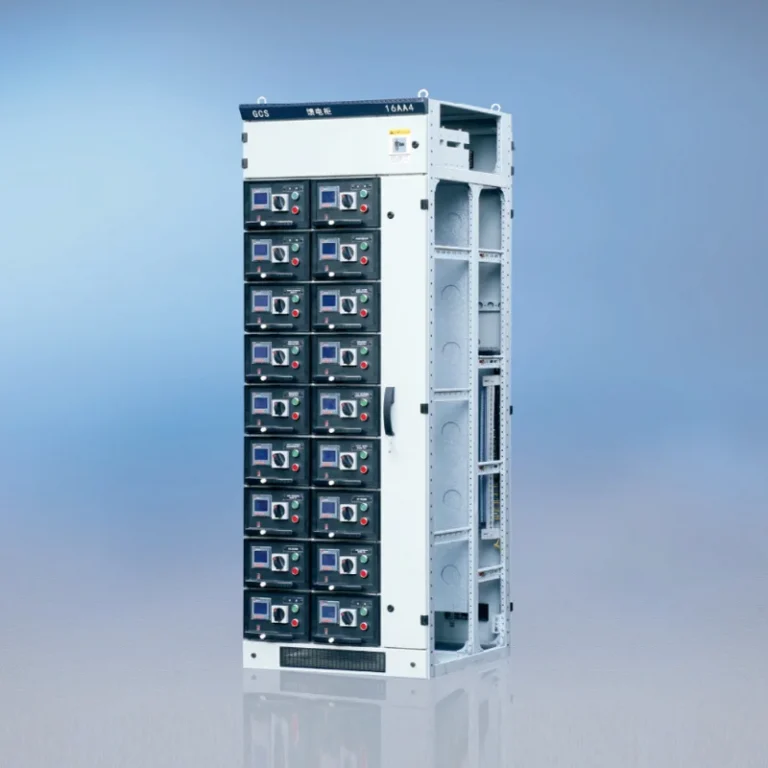
GCS Low-Voltage Switchgear
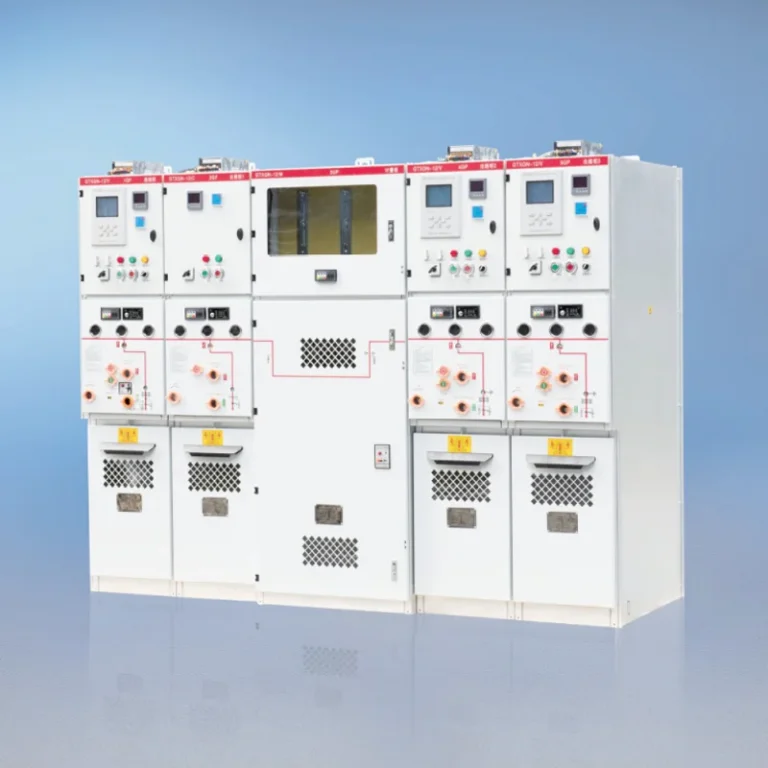
NYS-12 Solid-Insulated Ring Main Unit Switchgear
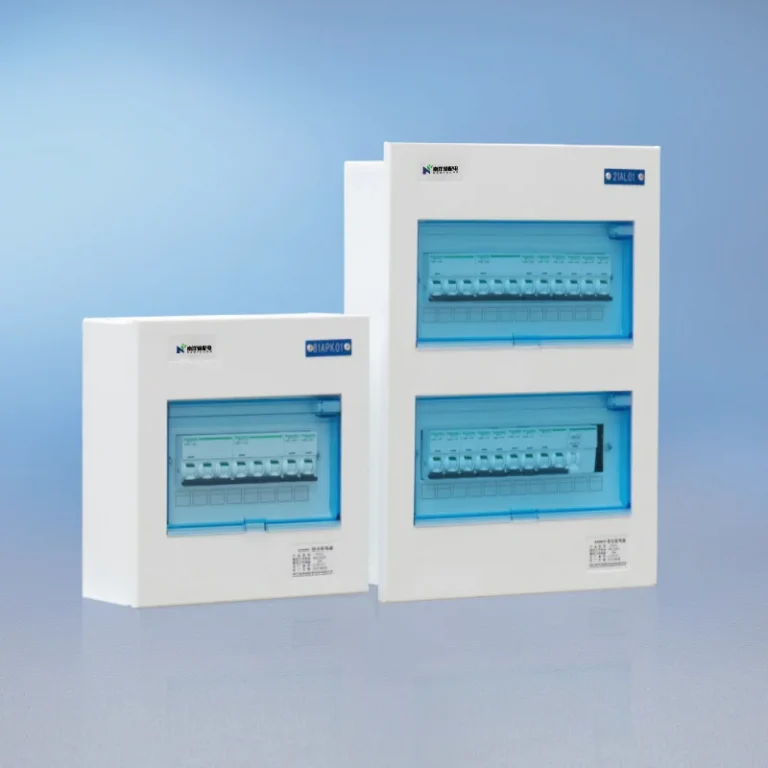
PZ30 Lighting Distribution Box
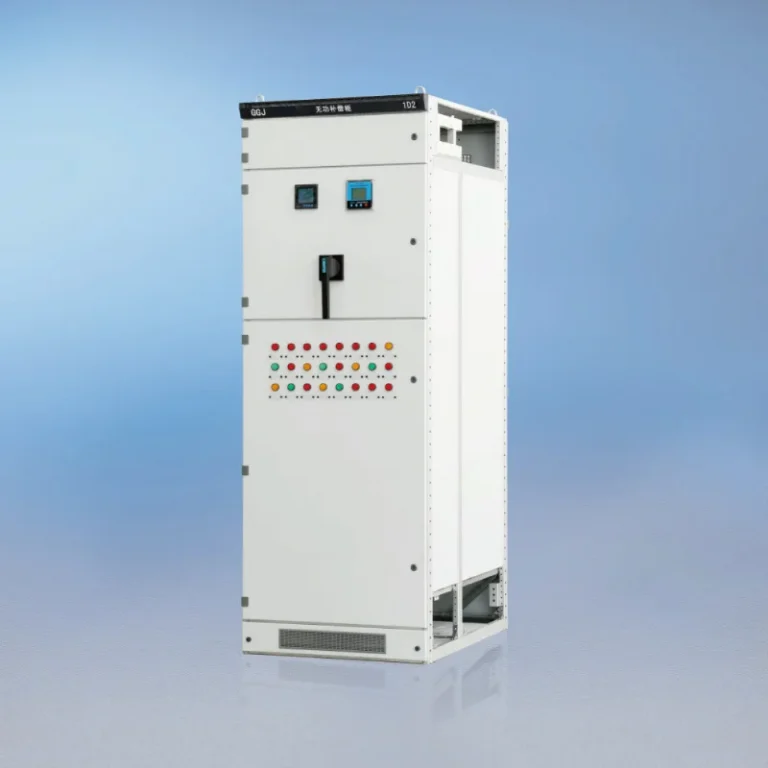
GGJ Low-Voltage Reactive Power Compensation Device
Project Planning Checklist
Prepare the following information for a more focused equipment and layout discussion.
- Development plan and facility-by-facility load schedule.
- Normal, standby and uninterruptible supply boundaries.
- Room locations, access restrictions and maintenance windows.
- Outdoor exposure and specialist airport system interfaces.
Common Project Questions
How should priority loads be planned?
Identify operational priorities with the airport team, then agree the normal, standby and UPS interfaces for each facility. Specialist airfield systems retain their own equipment and supply requirements.
Can expansion be planned alongside existing operations?
A staged design can assess spare capacity, zoning and changeover work. The airport’s operational team must define acceptable working and outage arrangements.
No aviation certification or continuous-operation guarantee is implied. Confirm specialist system requirements separately.