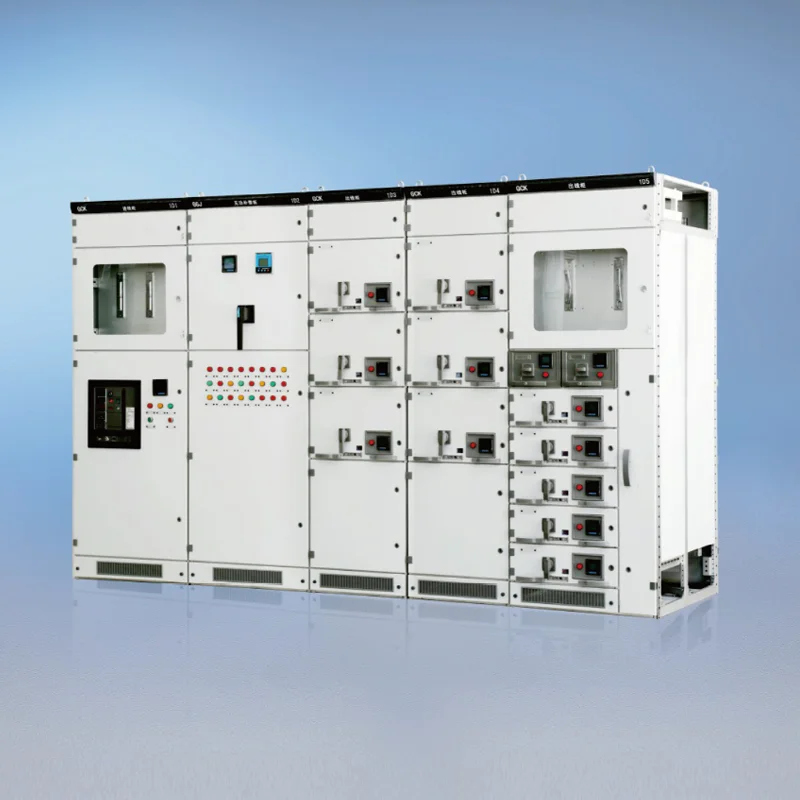
Reliability, flexibility, and safety have become primary considerations of modern electrical energy distribution systems due to their changing requirements. Of the various types of switchgear available, GCK low voltage switchgear is known for its modular form, strength, and admirable performance in different sectors. Thus, acquiring knowledge about the core components of GCK low voltage switchgear becomes important for electrical engineers, purchase managers, and decision-makers in Project Implementation. This content serves as a comprehensive guide to the main components of GCK low voltage switches, including their functioning, specifications, and additional information with regards to the proper utilization of GCK low voltage switches.
Understanding GCK Low Voltage Switchgear
GCK low voltage switchgearModular switchgear assembly is in widespread use for low-voltage power distribution and motor control in buildings, manufacturing units, data centers, and energy plants. GCK system is a recognized member of the Low-Voltage Switchgear family known for its standard construction, flexible connection options, and superior safety specifications. The switchgear provides protection and electrical equipment control, resulting in an unbroken operating process. Its modular design makes it perfect for expanding and maintaining the system.
The Two Core Components of GCK Low-Voltage Switchgear
To find the answer to the question, ‘What are the two key elements of GCK Low Voltage Switchgear?’, one should realize that GCK systems are basically made up of two key parts namely Cabinet (or Enclosure) and Draw-Out Unit (also known as Functional Unit or Drawer).
1. The Cabinet (Enclosure)
The cabinet or enclosure of GCK low voltage switchgear is the foundation of the whole system. The enclosure material used is high-quality sheet steel, usually treated for corrosion protection and robust mechanical capability. The cabinet also serves as a safeguard for the internal equipment against dust, moisture, tampering, and fire. Besides, it is the main mechanical structure which holds the modular operating units or drawers.
The design of GCK switchgear cabinets utilizes some standard modular dimensions (commonly, 600, 800, or 1000 mm in width), hence allowing both the initial design process and subsequent modification. Each cabinet consists of several compartments, enhancing safety by separating busbars, functional units, and cable connections. Thanks to compartmentalization, the risk of electrical failures spreading among compartments is decreased which is a significant basis for the general safety functions of the system.
2. The Draw-Out Unit (Drawer, Functional Unit)
The draw-out unit, also referred to as a functional unit or drawer, forms the nucleus of the GCK low voltage switchgear systems. Draw-out units are made to facilitate their insertion and withdrawal from respective compartments inside a switchgear cabinet without hassle, thus facilitating maintenance and replacement action. Each drawer has its own functions, for example, the motor control, feeder control, or capacitor switching.
Draw-out units come equipped with adequate electrical measurement and control mechanisms like switches, contactors, protective relays, and auxiliary devices. Modularity allows complete functional capability that suits a wide range of projects. Drawer structure gives three positions – service/testing/disconnected and allows the circuits to be isolated for inspection or replacement without disturbing other parts of the system.
How GCK Low Voltage Switchgear Works
The crucial part of the functioning of the GCK low voltage switchgear consists of the interplay between the cabinet and the draw-out devices. The general incoming power goes through busbars located in the compartment of the cabinet. The separate draw-out devices responsible for their respective circuit or load (examples being lighting, HVAC, or motors) are plugged into their special slots in the cabinet. Safety of inserting the devices and their operation is guaranteed by electric interlocks and mechanical guidance.
Carrying out the servicing or replacing of a drawer does not mean that the whole system must be shut down and thus offers a great uptime benefit. All position indicators and safety locks embedded in GCK switchgear designs reduce the chances of electrical shock and unwanted operations.
Advantages of Using GCK Low Voltage Switchgear
GCK low voltage switchgearguarantees its key benefits in the fact that they are modular and scalable. Thanks to these advantages, GCK solutions get favor among the end-users who are interested in obtaining flexible options for expanding or reconfiguring their Electrical Distribution network.
Cabinet is designed to offer a solid front notwithstanding adverse environmental and mechanical factors. Modular draw-out units allow for targeted maintenance with no downtime. This ultimately results in a safer working environment and lower operating costs in the long run. For facilities with high uptime demands – such as data centers and automated factories – GCK’s adaptability and reliability are essential.
Technical Features of GCK Low Voltage Switchgear
GCK low-voltage switchgear complies with standards (i.e. IEC 60439 and GB7251.1). These systems normally have a voltage range of 380 to 690 AC and are applicable for a variety of low-voltage electrical distribution applications. The design of the enclosures ensures the system can handle very high current levels; for example, the main busbar can handle between 630 and 4,000 while the system can withstand short circuit ratings of 50kA for one second.
Every operational component or drawer is equipped with both electrical and mechanized interlocks, ensuring that drawers are properly locked prior to extracting them. Particular care is taken in planning the ventilation system, cable entry, and arc-flash safety to create the most sustainable and safe working environment. Advanced functionality is offered in the shape of digital control and remote monitoring, pointing to the increasing demand for smart grid solutions and automation of buildings.
Applications of GCK Low Voltage Switchgear
GCK low voltage switchgear is employed across various settings where dependability and versatility are essential aspects. Some of the common areas of use include:
– Industrial establishments and facilities that need frequent swap and upkeep of motor control centers (MCCs).
– Commercial structures and shopping centers that need the safe and efficient management of multiple load points.
– Electric power production plants (thermal, hydroelectric, solar), where the modularity and availability of the system are essential.
– Data treatment centers that need continuous power supply and scheduled maintenance layout.
– Projects such as airports, underground railway stations, and water purification facilities that need a high level of protection and fail-proof operation.
The adaptability of GCK enables it to be modified according to specific operational needs, which is anything from specialized protection relay to top-notch budgeting systems, this versatility accounts for the popularity of GCK systems as a standard in the use of modern low-voltage switchgear products.
Safety Features and Standards Compliance
The Low Voltage Switchgear system GCK includes many safety features that protect the equipment and people. Among these are reliable earthing of metallic casing and doors, built-in fault-latching devices, and visible position indicators of drawers (service, test, and isolation). Mechanical and electrical interlocks reduce the possibility for human error, and thus enhance the safety of operation.
The design and testing of all parts have been conducted in accordance with rigorous IEC, GB, and/or ANSI standards. Fire resistance, compatibility with electromagnetic fields, and resistance to corrosion are all found to be in accordance with the relevant requirements. Special designs with added sealing and anti-condensation features may be made for special applications, including those in severe or hazardous circumstances.
FAQs on Low Voltage Switchgear Components
What are the components of a switchgear?
Low voltage switchgear systems generally consist of enclosures or cabinets, busbar systems, functional units (drawers or fixed units), circuit breakers, disconnectors, protective relays, control wiring, human-machine interfaces, and safety interlocks. Among these, the main components of GCK low voltage switchgear systems are the cabinet (enclosure) and the draw-out unit (drawer/functional unit).
How is GCK low voltage switchgear different from other types?
One notable feature of GCK medium voltage switchgear is its design which is in the form of a modular drawer. Each electrical circuit or connection is built in an independent compartment and can be detached from the system for inspection and maintenance work without causing any risks. Other types of switchgears, such as GCS or MNS, might have a different design, but GCK is known for its simplicity of expansion, ease of maintenance, and high levels of protection.
What is the typical voltage range for low voltage switchgear?
Low voltage switchgear voltage levels vary between 380V and 690V AC. There can be configurations with a slightly higher and lower voltage for a certain market and type of application.
How do the cabinet and draw-out units improve operational efficiency?
The cabinet’s individual sections assign faults to specific locations and therefore ensure safety while working. Moreover, the cabinet’s easy-to-take-out power drawers help to save time that could be spent on troubleshooting electrical circuits.
What factors should be considered when selecting GCK low voltage switchgear?
Crucial factors consist of short-circuit withstand rating, rated voltage, system configuration, space limitation, prospective upgrade potential, environmental factors (such as humidity or dust), and compatibility with digital controlling and SCADA systems. Collaborating with a reliable producer or supplier guarantees ideal solution selection and post-sales assistance.
Future Trends in Low Voltage Switchgear Technology
The low voltage switchgear sector continues to change in line with the ever-growing demands made by smart grids, renewable energy integration, and digital monitoring. The newly developed models of GCK low voltage switchgear are now equipped with optional IoT monitoring and predictive service technology to provide integration with industrial automation systems or building management systems.
The standard expectations include energy efficiency improvements, better arc-flash detection technology, and better ergonomics. By integrating environmental sensors into the cabinet, temperature increases, humidity, and foreign contaminations can be detected beforehand, minimizing surprise breakdowns.
Choosing the Right GCK Low Voltage Switchgear for Your Project
Choosing the right specifications and configuration for GCK low-voltage switchgear is a meticulous process, involving close examination of load characteristics, expansion plans, and site-related factors. Both present demand and potential growth must be considered to maximize the return on investment throughout the lifetime of the product.
The combination of knowledgeable professionals and respected vendors assures customized solutions that are designed with regard to safety, reliability, and cost. During the selection phase of the process, procurement departments must keep in mind the importance of compliance with specific documentation standards and the availability of spare parts and services.
The GCK low voltage switchgear through its dual-core design of cabinet and draw-out functional units is a remarkable combination of safety, modularity, and efficiency. They are versatile, comply with the international standards robustly, and have the best potential for upgrades in future. Therefore, gaining the information about GCK switchgear including its principal components and advantages will help buyers and technical staff make better choice allowing the delivery of the power and successful development of their businesses.