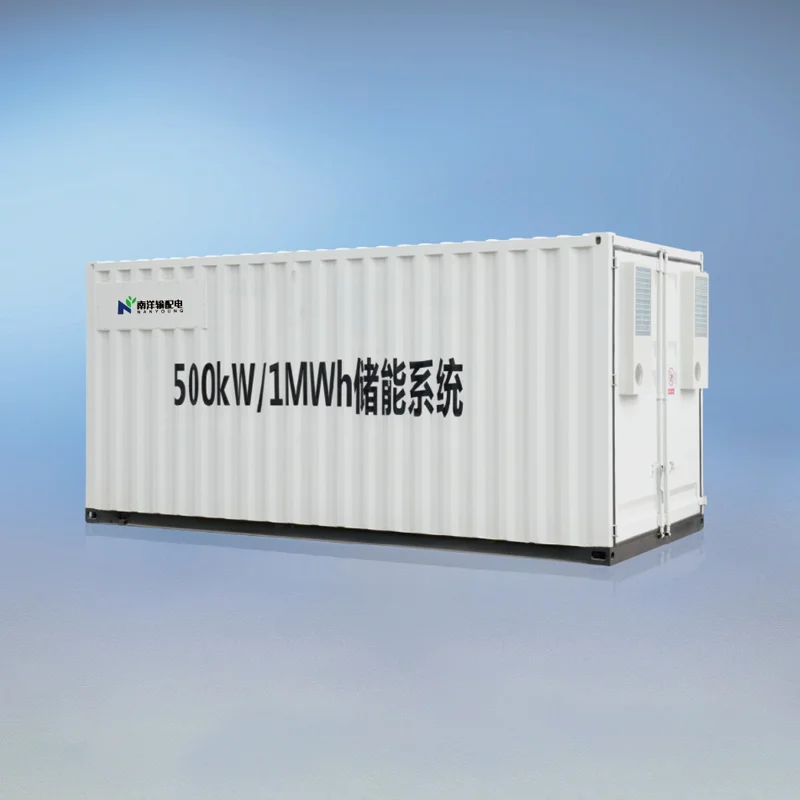
Understanding Container Energy Storage System
Container Energy Storage System (CESS) is quickly changing the way power is managed and renewable energies are brought into the fold across the globe. This modular and scalable system uses state-of-the-art storage solutions contained in standardized shipping containers, which enables it to be deployed in different environments. Before looking into its applications in practice, it is crucial to understand the key points that are behind this system and the reasons for its growing popularity in different fields.
The system of an Energy Storage in a container is a small storage device for large volumes of electricity that can be used later. The design incorporates batteries of the following types: lithium-ion batteries, flow batteries, and more with the use of battery management systems (BMS), inverters, fire protecting installations, and HVAC systems, as well as the ability of distance monitoring.
What Is Energy Storage System?
In simplest terms, an energy storage system is a method for storing energy for later use, smoothing out the ups and downs of energy supply and demand. Storage systems can be classified as mechanical, thermal, or electrochemical, with batteries being the most widely used today. The patented CESS technology enhances the effectiveness of these systems by providing not only a reliable energy reservoir, but also a system that can be easily moved and adjusted.
The energy storage system is becoming an essential part of renewable energy projects, industrial processes, grid handling, and disaster management because of its capacity to store surplus electricity in times of less demand and release it when demand is at its peak.
How Do Energy Storage Systems Work?
The operation of energy storage systems is based on the process of harnessing electrical energy produced by renewables, grid power, or generators and storing them in batteries. These batteries are put inside safe energy storage modules. They store the electricity when its supply exceeds the level of energy demand. Whenever the demand rises above normal, the energy stored in the system is displaced.
The key to success lies in the smart control systems of a Container Energy Storage System. All aspects like grid condition, climatic conditions, load demands, and electricity price are being continuously assessed by the sensors and software of the system. Hence, charging and discharging are being optimized automatically.
Typical Scenarios Where Container Energy Storage Systems Are Used
The adaptability of Container Energy Storage Systems makes them the preferred option for an array of applications. Their modularity, portability, and speed of deployment enable them to effectively handle numerous energy issues. Let’s examine their most popular applications in depth:
Grid Balancing and Frequency Regulation
Grid balancing is one of the most common applications of CESS. Utilities often find themselves dealing with supply and demand in constant flux, which means that CESS can play an important role in ensuring steady voltage and frequency. When abundant energy is being produced, CESS takes in excess energy and then returns it in case of shortage.
Grid operators utilize CESS solutions in the proximity of substations or distribution points, thus ensuring a response to grid signals. This helps stabilize the grid and minimize blackouts while allowing safe integration of additional renewable energy resources.
Renewable Energy Integration and Optimization
Projects involving renewable energy, particularly solar photovoltaic and wind energy projects, are inherently variable. CESS is the ideal solution because it can save the excess power produced during peak generation times (whether in sunny or windy conditions) and provide electricity when production is low. This leads to an increase in capacity factor, improvement in return on investments and lesser curtailment, thus allowing renewables to take a more active role in energy markets.
Storage in a containerized form is utilized by the developers as well as operators at utility level solar or wind farms as well as at community-scale renewable energy projects. In order to strengthen the resilience of the green energy projects and their economic viability, CESS smoothens the supply.
Peak Shaving and Demand Response
Many businesses in various sectors experience large bills during times of high electrical usage. A CESS allows businesses to retain energy at times of low usage and utilize it for peak demands, minimizing their costs and protecting the stability of power grids.
CESS can play an important role in demand response programs by either reducing its electricity consumption or injecting some power back into the grid. This ability helps to mitigate demand spikes in a particular area as well as prevent brownouts.
Backup Power and Critical Infrastructure Protection
Reliability is critical with essential infrastructures like hospitals, data centers, telecom towers, water treatment facilities, and government buildings. CESS delivers reliable backup power, making business processes uninterrupted through grid failure or maintenance. Unlike conventional diesel generators, they are cleaner, noiseless, and are capable of starting instantly.
CESS can be put to use in certain locations providing quick emergency electricity and also longer supply during outages. This is helpful in mission-critical situations.
Microgrids and Off-Grid Applications
In modern-day microgrids, Container Energy Storage Systems are the core components of remote locations, islands, and developing countries that help all communities be independent in terms of energy consumption. When used with localized generation (solar, wind, or hybrid systems powered by diesel), CESS allows communities to break away from conventional energy sources. These systems administer energy supply, preserve the quality of electricity, and serve as life-saving defibrillators when there are surges or faults.
Containerized storage provides a solution for mining operations and construction sites by allowing prompt installation without needing to build permanent structures. The systems can be moved around to accommodate the shifting requirements of projects, providing a mobile and adaptable source of power wherever one needs it.
Electric Vehicle Charging and Transport Electrification
One important emerging application is the enhancement of electric vehicle (EV) charging facilities. Due to the high-speed charging of EVs, large and reliable energy is needed, something that is usually hard to get from local power grids. The CESS system works by charging, accumulating energy, and then using it when needed, thus helping reduce the load and making the opening of charging points easier.
Fleet depots, municipal transport stations, and commercial car dealers are starting to use CESS more and more frequently to facilitate the electrification process, save money, and improve ecological measures. Through the development of e-mobility and container storage systems, charging networks will become more efficient and functional.
Temporary Power Solutions and Disaster Recovery
Container Energy Storage Systems are invaluable during emergencies and disaster recovery efforts. Natural disasters often disrupt conventional power lines, leaving communities and aid operations in the dark. The modular nature of CESS enables quick deployment to disaster zones. They provide immediate, reliable power for shelters, field hospitals, communication centers, and logistics operations.
Additionally, for events or construction projects requiring temporary power, CESS offers a clean, scalable alternative to noisy and polluting fossil-fueled generators. Rapid installation, portability, and ease of connection are strong advantages in these settings.
Advantages of Container Energy Storage System
The popularity of the Container Energy Storage System stems from several key benefits:
First, modularity: Containers can be quickly scaled by adding more units. Second, mobility: Units can be moved as project needs evolve, or redeployed elsewhere. Third, rapid installation: Compared to building a stationary battery storage facility, CESS requires minimal site preparation and is plug-and-play. Fourth, standardized design: Containers are built for shipping, ensuring durability, weather resistance, and simplified logistics. Finally, flexibility: CESS suits temporary, permanent, grid-tied, and off-grid needs from megawatt utility scale to smaller commercial projects.
These strengths make CESS a practical solution for industries seeking to advance sustainability, reduce energy costs, and ensure resilient power delivery.
Challenges and Considerations in Deploying Container Energy Storage System
While the Container Energy Storage System offers many advantages, there are several challenges to consider:
Local regulations and permitting can impact deployment speed. Site preparation, such as concrete pads or grounding, may still be needed. The size and weight of containers require suitable transport and crane capabilities. Integration with existing electrical infrastructure requires specialized expertise. Fire safety, battery degradation, and recycling are important factors in long-term operations.
Users must also consider the total cost of ownership – including maintenance, site operations, and energy management software. Working with an experienced supplier and installation partner is essential for maximizing benefits and minimizing risks.
Future Trends and Innovations in Container Energy Storage System
The trajectory for CESS is promising. Advances in battery chemistry – such as solid-state and high-density lithium variants – are increasing energy density, reducing costs, and extending lifespans. Integrated power electronics, cloud-based monitoring, and real-time AI optimization are making storage even more responsive and efficient.
Emerging hybrid applications, where CESS is paired with solar, wind, or hydrogen generation, are creating self-sustaining energy farms. Additionally, the rise of “energy as a service” models enables organizations to use CESS without upfront capital, paying only for energy delivered. This lowers barriers and accelerates adoption.
As national and global policy moves toward decarbonization and electrification, CESS will become a linchpin in resilient, sustainable infrastructure across all sectors.
Answering Common Questions: FAQ about Container Energy Storage System
What is energy storage system? An energy storage system is a technology solution designed to store electrical energy and discharge it when needed, enabling power reliability, grid stability, and the integration of renewable energy sources.
How does Container Energy Storage System differ from traditional battery storage? Unlike fixed installations, CESS uses standard shipping containers for enclosure, providing portability, scalability, and rapid deployment. This lets organizations respond dynamically to changing energy demands or operational requirements.
Is Container Energy Storage System suitable for residential use? While CESS is typically used for commercial, industrial, and utility applications, it can serve larger residential complexes, especially in microgrid or community solar projects.
How are Container Energy Storage Systems maintained? Maintenance involves periodic inspections, battery health analysis, cleaning, HVAC servicing, and software updates. Most suppliers provide remote monitoring and predictive maintenance tools.
Are Container Energy Storage Systems safe? CESS incorporates robust safety features: fire suppression, thermal management, and advanced monitoring. Proper installation and operation by certified professionals ensure safety and reliability.
What is the lifespan of a Container Energy Storage System? Depending on battery chemistry, usage cycles, and operational environment, typical lifespan ranges from 7-15 years, with some advanced systems lasting longer with regular maintenance.
How to Choose the Best Container Energy Storage System for Your Application
Choosing the right Container Energy Storage System is crucial for optimizing benefits and ROI. Key factors to weigh include battery type and chemistry, required energy capacity (kWh/MWh), peak power output, integration needs with existing infrastructure, remote monitoring capabilities, climate-resilience features, and vendor reputation.
It’s advisable to partner with a supplier that offers a turnkey solution: design, installation, commissioning, ongoing maintenance, and system upgrades. Compare warranties, customer support, and references from similar projects. For complex needs – such as utility-scale grid integration or multi-site deployments – seek out experienced engineering teams for proper system sizing and commissioning.
Ultimately, the best CESS solution is one tailored precisely to your functional requirements, site conditions, budget, and long-term sustainability goals.
Container Energy Storage System in the Context of Global Energy Transition
The world is rapidly moving toward electrification and decarbonization. As fossil fuels are phased out and renewables become mainstream, the flexibility and reliability of power grids are under the microscope. Container Energy Storage Systems are pivotal in this transition, enabling the grid to absorb and use renewable energy effectively, provide backup in emergencies, balance frequency, and lower environmental impact.
Governments, utilities, industries, and communities are investing heavily in CESS technology to support EV infrastructure, resiliency programs, and microgrid development. As regulations incentivize cleaner, distributed energy, CESS will underpin countless applications across continents, supporting both economic growth and climate objectives.
In summary, the Container Energy Storage System is a transformative technology with proven applications across grid balancing, renewable energy integration, backup power, demand response, microgrids, EV charging, disaster recovery, and beyond. Its modularity, portability, and rapid deployment already empower utilities, industries, and communities to meet modern energy challenges. As innovation accelerates and global energy transition deepens, containerized storage will become an essential pillar of future-proof, sustainable power infrastructure. For buyers, understanding the specific scenarios, benefits, and practical considerations paves the way for successful adoption and lasting impact.