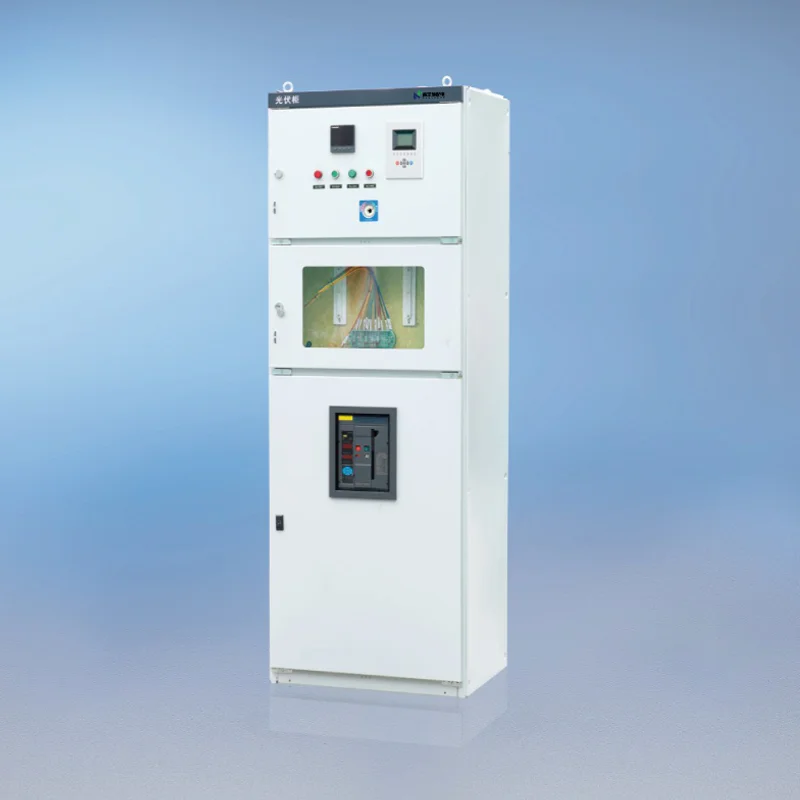
The swift advancement of solar energy technology has drawn increasing focus on the elements required for its efficiency, safety, and reliability. Among these components, the photovoltaic grid connection cabinet is one of the most important, but often neglected in the photovoltaic system. In this guide, we will study the key role played by the cabinet, its importance in connection of solar panels to the grid, and the reasons for optimizing its design in both commercial and residential solar systems. Understanding the operation, composition, and influence of the photovoltaic grid connection cabinet will help customers and engineers in making the right decisions and improving the system performance in the solar system implementation.
Understanding the Photovoltaic Grid-Connected Cabinet
Prior to examining the specifics, it is important to clarify what is meant by a photovoltaic grid connected cabinet. Also known as a grid connection cabinet or solar integration panel, this cabinet serves as a means of connecting the solar panels to the grid. It contains important electrical parts, manages current, and guarantees reliable functioning. Generally found in both commercial and residential renewable energy projects, the photovoltaic cabinet acts to transform energy, protect devices and people, and provide some monitoring functions. Without this component solar energy would be less secure and less dependable.
Main Functions of the Photovoltaic Grid-Connected Cabinet
The cabinet serves multiple functions, thereby supporting the functioning and safety of the whole solar system. Let’s outline its basic tasks:
1. Electrical Switching and Protection: The cabinet has been outfitted with circuit breakers, fuses, relay devices, surge arresters, isolators, etc., which help in the management, disconnection, and safety of electrical flows, especially during maintenance operations, emergencies, or regional power outages. Correct operation ensures the solar system to be not just properly connected, but also protected against overcurrent, electric short circuits, and lightning strikes.
2. Power Conditioning and Metering: In order to be acceptable to the utility company, the power produced by the solar panels must observe specific grid norms. The cabinet is responsible for conditioning the power generated by the panels, and performs various functions, such as filtering, adjusting the voltage and correcting the power factor. Furthermore, built-in metering devices allow determining the actual quantity of energy produced by the system, which is necessary for compliance and charging purposes.
3. Monitoring and Communication: The cabinets that are linked to the smart grid mostly consist of supervising controls, remote monitoring devices, and communication systems. It is due to the fact that smart grid-linked cabinets facilitate real-time data transfer with electric utilities and system managers. The availability of KPIs, energy trends, and fault information leads to better speed of response and maintenance.
4. Ensuring Safety and Compliance: In order to meet grid regulations and national standards, good protection and proper isolation of systems are necessary. The cabinet assures compliance by using certified elements and meeting electrical standards (like UL, IEC, and local standards). It also keeps the high-voltage and low-voltage sides clearly separated from each other.
Structure and Components of the Photovoltaic Grid-Connected Cabinet
An adequately designed photovoltaic grid connected cabinet is not just an empty container but is full of accurately picked electrical components and is built to resist environmental and operational stresses. The next thing is to look at its conventional internal construction:
Incoming Circuit: In this section, we can see where the direct current generated by photovoltaic panels comes to the cabinet. It contains all the necessary electrical protective devices, such as surge protection equipment and monitoring instruments.
DC/AC Conversion Section: In systems that do not have centralized inverters, the cabinet could either contain string inverters or have facilities for AC input. This part is crucial because it ensures that the electricity is transformed at a level suitable for use in the grid.
Switchgear Assemblies: The AC switchgear, circuit switches and protection relays control the connections to the grid. Each of the device is rated for its capacity in the system to allow safe operation at full generation.
Metering and Communication Modules: Energy measuring devices, data recorders, and communication systems are used here so that energy consumption remains tracked accurately. More and more, such devices are being incorporated with building management systems or SCADA systems.
Physical Enclosure: The cabinet may have an exterior made of metal or plastic that does not rust or rot. It includes doors that lock, entries for cables, and proper ventilation. The cabinet must keep dust, moisture, and temperature to a minimum so that it can perform properly.
How the Photovoltaic Grid-Connected Cabinet Enables Grid Integration
The requirement of making sure that energy produced by solar modules is suitable for the public grid is one of the main problems faced in solar power generation. The photovoltaic grid connected cabinet is crucial in this process. It is composed of the following parts: circuit breaker, disconnect switch, and conditioning units.
The solar panels produce direct current electricity in the form of electricity when struck by the sun’s rays. Either the DC is directed to an inverter room, or, in case of distributed systems, to an inverter. The inverters convert DC to AC, making changes in the current to ensure that it can meet grid standards. The inverter room provides the direction of the current, separates faulty lines, and prevents dangerous reverse feeding into the grid. It enables the switching between solar and grid ку in the case of no sunlight or higher demand.
If you are looking for a solution to connect solar panels to the power grid, then using a special cabinet is the right way to go. This cabinet does all the work for you by putting all wires, blocking, and control systems in place so that your system can get inspected and approved by local authorities or utility providers. In a commercial application, the cabinet can even use several sources of electricity like generators or batteries, which gives a more flexible and reliable system.
Benefits of Using a High-Quality Photovoltaic Grid-Connected Cabinet
Choosing the correct cabinet directly impact longevity, safety, and efficiency of the system. The main advantages, which are noticed by buyers and engineers, are given below:
Enhanced Safety: The integrated protective mechanisms of the cabinet lower the danger of electrical disturbances and guarantee easy isolation, thereby making maintenance safer.
Compliance and Reliability: Sticking to strict grid connection standards means that your solar system will be able to pass inspection with no problem and will keep running properly. Using high-quality cabinets helps you avoid any disruptions in service or penalties or fines.
Efficient Energy Management: The monitoring of energy flows and advanced systems allows for better energy efficiencies, lower losses and higher export revenues.
Scalability and Flexibility: Modular cabinet designs make it easy to grow, with the addition of more solar panels, inverters, or storage systems.
Reduced Maintenance Costs: The implementation of early fault detection and quality design results in reduced repair frequency and lifetime costs. Remote monitoring provides the option of speedy troubleshooting without having to make site visits.
How Grid Connected Solar Power Works: A Practical Overview
The way grid connected solar power systems function is a popular query among customers. Here is a brief clarification.
The solar panels take in sunlight and turn them into direct current. This current moves into the solar panels connected cabinet. In the cabinet, the electrical power is verified and conditioned before being sent to an inverter. The inverter converts the direct current into alternating current and matches the voltage with the grid. The cabinet’s metering and safety systems act to ensure that power is flowing safely and following the standards.
When the demand for energy in the locality goes down, surplus electricity is supplied to the grid and net metering programs are used to accumulate amounts for it. While there is a high energy demand, or low levels of sunlight, the grid will supply electricity automatically. The cabinet regulates all of these processes and takes care of safety isolation and key data.
Design and Installation Considerations for Buyers
The triumph of a solar project depends very much on cabinet choice, design, and installation. And here’s what consumers and experts need to think about:
System Size and Capacity: Opt for a device that offers both current and future capacity, taking into consideration the existing panels and possible future expansion. It’s better to oversize switchgear equipment in case an upgrade is needed later on.
Environmental Factors: The local climate has an impact on cabinets—the temperature varies, and humidity, dust, and corrosive environment are taken into consideration. This greatly affects the choice of material, sealing, and cooling layout.
Compliance and Certification: Make certain that the cabinet passes all necessary regulations, since this makes it easier for inspectors and the utility to provide full approval. Partner with reputable manufacturers who offer tested products.
Ease of Maintenance: Choose designs that include tool-free entry, easy labeling, and effective spacing of elements. Look for remote monitoring systems that make it unnecessary to go to the site.
Integration with Energy Management Systems: Modern cabinets have digital interfaces that connect to smart meters, manage buildings, or run cloud data analysis. They allow for performance tracking over time.
Future Trends and Innovations in Grid Connected Cabinet Technology
The advancement of solar technology is picking up speed, and so are photovoltaic systems. Below are some important developments:
Digitalization and IoT: Smart cabinets now come equipped with IoT sensors, wireless communications, and adaptive controls. That means predictive analytics for reducing malfunction, remote diagnostics, and real-time notifications that are beneficial for big fleets or far-off installations.
Integrated Storage and Hybrid Systems: The cabinets today are integrating battery management and are even capable of a hybrid operation with diesel generators, wind turbines, and EV chargers. This multi-functional integration is what make them able to provide backup power and optimize the flow of energy.
Advanced Protection Solutions: The latest modules for surge protection, fault detection, and fire safety ensure increased reliability. With AI-based platforms that monitor everything, it makes it possible to predict problems before they create problems in the way of power generation.
Modular and Customizable Designs: Cabinets can be customized specifically for high-rise buildings, distant farms, and industrial parks instead of providing generic products. Custom arrangements offer enhanced accessibility and robustness.
Regulatory Alignment and Sustainability: Contemporary cupboards are manufactured using eco-friendly products and developed with the intention of low environmental damage. The engineers will also meet ESG objectives which support corporate environmental programs.
Photovoltaic Grid Connected Cabinet FAQ
How grid connected solar power works? Grid-tied solar systems operate by converting sunlight into electrical energy through solar panels, converting the energy to grid-ready AC in a box system, exporting any surplus solar energy to the national grid, and bringing in electricity when needed. The box provides safe isolation and communicates with the utility system for billing.
What is the difference between off-grid and grid connected cabinets? Off-grid cabinets generally consist of battery storage and separate inverter system working independently from the utility grid. In contrast, grid connected cabinets are used for linking solar power system to the public grid, controlling exports and imports, and complying with regulatory authorities.
How important is cabinet selection for system reliability? The process of selecting cabinets is crucial. High-quality cabinets minimize technical downtime, ensure safety, ensure proper interconnection to the grid, and provide precise metering and control. Good design guarantees that expensive malfunctions do not occur in the future.
Can the cabinet be retrofitted or upgraded?Definitely, modular designs make it possible to add more protection devices, communication modules, and larger switchgear when needed. Future-proofing the cabinet is a great idea.
What certification standards should buyers look for? Some common symbols are UL (in the USA), IEC (in the International) TUV (in Europe) plus all relevant local codes. Cabinets that are certified are guaranteed to comply with legal requirements and work properly and efficiently. Always get a certificate of approval before buying.
What maintenance does the grid connected cabinet require? Routine inspections for dust, humidity, electrical connections, and mechanical wear are standardized as per usual practices. Usage of remote monitoring can inform operators of accidents or temperature problems. It is suggested that annual servicing can be used.
The ideal structure of a PV-inverter cabinet-efficient and economical photovoltaic cabinets does much more than just connecting the system. It offers power management and maintenance, protection, meter readings, communication, and other solar cabinet functions. As technology evolves, today’s cabinets are equipped with improved safety capabilities, digitalization, and flexibility possible to meet the changing energy demands from the customers. Therefore, in order to utilize all of the advantages provided by the solar systems, the designers and purchasers of cabinets should know how they work and what practical use they can provide.