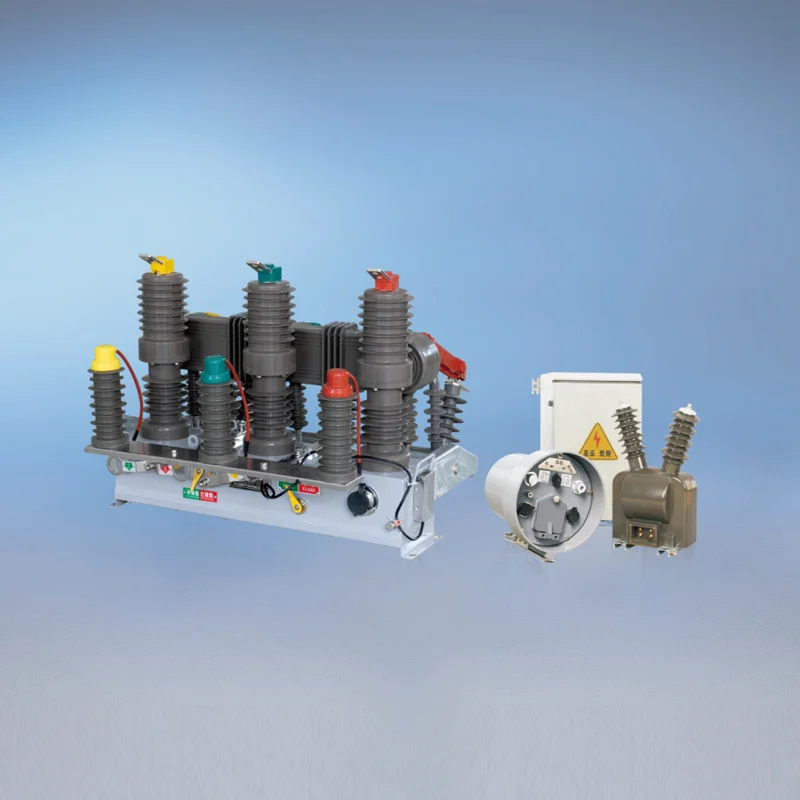
Pole circuit breakersare an important component of the power distribution system in contemporary electrical networks of mainly the overhead type. Its primary purpose is to cut current in the case of a fault such as an overload and short circuit to ensure the safety of the network and avoid damage of equipment. The article covers the main purposes ofpole-mounted circuit breakers, their structure, use, benefits, and essential things to take into account while choosing a circuit breaker pole.
Understanding Pole-Mounted Circuit Breakers
In essence, a pole-mounted circuit breaker can be defined as a circuit breaker fitted on a utility pole. Unlike indoor circuit breakers, located in controlled environments such as buildings or substations, pole-mounted circuit breakers are installed outdoors, frequently forming part of the electricity distribution in rural and semi-urban regions. As a result, this type of circuit breaker protects the overhead transmission lines providing electricity to the community ratepayers and other electrical facilities from surges, overloads, or other malfunctions.
Not only is the circuit breaker pole concept not new, but new technologies have been developed that allow circuit breakers to be more reliable and versatile than in the past. Circuit breakers can be employed in many different setups, from single-phased to three-phased electric current systems. Every circuit breaker is made to respond promptly to faults and thus interrupt current flow, making the mechanism very important in safeguarding the quality of electric current and ensuring its supply in systems with overhead power transmission lines.
How Does a Pole-Mounted Circuit Breaker Work?
A circuit breaker that is mounted on a utility pole uses both mechanical and electrical elements to work. Its function involves being hooked directly to power lines on the pole. If it experiences unusual electrical current conditions, such as an overload due to a short circuit, it will open the circuit automatically.
The breaker uses sensors to monitor current and voltage. If these exceed preset thresholds, the breaker activates a switching mechanism that opens the contacts. This rapid response prevents the problem from spreading further, protecting not only the pole’s components but also the entire grid segment. Many models also offer remote monitoring and control, continuously checking the status of the lines and allowing utility operators to reset or operate the breaker remotely via smart grid systems.
Circuit breaker poles are often accompanied by accessories such as lightning arresters and fuse cutouts which make them more resilient against storms and other unexpected issues. The multi-layered protection provided by these accessories is among the reasons why more and more electrical infrastructures utilize pole mount circuit breakers.
The Main Function: Protection and Reliability
The main purpose of a pole-mounted circuit breaker is to protect electric circuits by automatically breaking faulty sections. This is important for the reliability because, thanks to its function, most of the electric grid can remain working despite having a failure. If there would not be such equipment in action to protect the circuits, even one overload or a short circuit could cause outages for many customers.
Reliability is also increased when circuit breakers are installed on poles since they are made to endure bad weather. They work well in various conditions such as rain, wind, and changes in temperature and are usually made with weather-proof boxes and strong materials. This durability enables them to have long life with little maintenance, which is important for those who produce and consume energy.
The above explained also applies to the aforementioned devices in terms of their functionality. They provide opportunities for selective protection which implies isolation of only a faulty circuit segment. Thus, the restoration process becomes much faster and less expensive for wiremen who do not have to shut down the entire network to find the place of a fault. Hence, the downtime decreases significantly and this is especially important for the functioning of the healthcare sector.
Types of Pole-Mounted Circuit Breakers
Circuit breakers mounted on poles are available in different types as each type is made to suit specific requirements. The types commonly available include
Single-pole circuit breakers A typical application of these devices is for low voltage systems, often present in residential or countryside areas. They offer protection to the distinct phases and have ratings of 120-240 volts. The other benefit that these devices confer is that they are light in weight and easy to install in various locations where uncomplicated protection is needed.
Two-pole and three-pole circuit breakers It is intended for high voltage or heavy duty three-phase power systems. The three-pole variant is largely used in factories, commercial establishments and big electrical networks, working to protect all three phases at once. Each of the poles functions as a unique breaker, but is also linked to others mechanically and electrically for the sake of simultaneous operation.
Some users wonder if they can use a 3 pole breaker for a 2 pole circuit. While it is technically possible, it is not recommended unless the user knows the electrical specifications and is assured that the unused pole is properly isolated. Always use the correct breaker type that applies to your circuit to ensure full protection and compliance with standards.
Applications of Pole-Mounted Circuit Breakers
Pole-mounted circuit breakers serve many purposes, which reflects the different environments and needs for the various applications in today’s power industry. Some of the usual applications include:
Overhead Distribution Lines: The presence of breakers on poles in overhead lines helps to secure sections of line that could be compromised when conditions are volatile because of the weather or wildlife. When a fault occurs, breakers isolate the damaged segment of the line right away, thus preventing any further damage or even possible loss of power for other areas.
Distribution Transformers: Transformers are chargeable and are likely to be overloaded or short-circuited. Circuit breakers located close to transformers act as valuable protectors of transformers and thus prolong their life and diminish their failure rate.
Industrial Facilities: Pole-mounted breakers are frequently located outside of manufacturing plants or storage facilities, protecting large electric feed lines and ensuring smooth operations.
Rural Electrification: The installation of pole mounted circuit breakers becomes essential in remote areas for ensuring a reliable and safe power supply. The fact that they operate by themselves eliminates the necessity for frequent manual checks, which is important for places where technical personnel may not be easily accessible.
Renewable Energy Projects: Renewable energy sources such as solar energy and wind energy utilize poles of circuit breakers to connect their energy generation equipment to the electrical grid for energy delivery. The devices are normally mounted on poles because many sources of renewable energy are located in exposed areas.
Key Benefits for Utilities and Buyers
There are multiple advantages to installing a pole-mounted circuit breaker, both for utilities and end users. These include:
Reduced Maintenance Costs: Pole mount breakers are designed for harsh environments, minimizing routine maintenance. Their remote monitoring features let utilities check their status without dispatching crews, saving time and labor.
Quick Fault Detection: Automated systems instantly detect and respond to faults, reducing outage times and improving grid reliability. This responsiveness is particularly valuable in rural or difficult-to-reach areas.
Improved Safety: Circuit breaker poles isolate faults before they can cause injuries or damage to property. They support safety protocols for utility workers by allowing quick and secure isolation of circuits during repairs.
flexible configuration: With a range of sizes and operational capacities, pole-mounted breakers can be tailored to suit low, medium, or high voltage power networks. This flexibility is essential for adapting to varying customer requirements.
Smart Integration: Many modern poles come equipped with smart breakers compatible with automated control systems and SCADA platforms. This integration offers real-time monitoring, remote reset, and improved operational efficiency.
Installation and Maintenance Best Practices
Proper installation of a pole-mounted circuit breaker is critical for ensuring optimal protection. The process involves selecting the correct breaker rating based on the voltage, current, and configuration of your power network. It’s important to locate the breaker where it can most efficiently isolate faults, usually at junctions or near critical equipment like transformers.
Installers should follow all relevant electrical codes and standards, ensuring that the breaker is securely mounted on the pole, with weatherproofing to withstand environmental conditions. Wiring must be done carefully to avoid accidental cross-connections or grounding faults.
Regular maintenance checks should focus on inspecting breaker contacts, verifying operational status, and ensuring remote monitoring systems are functional. While pole-mounted breakers are generally low-maintenance, periodic visual inspections are still recommended to check for signs of wear, corrosion, or accidental damage from storms or animals.
FAQs About Pole-Mounted Circuit Breakers
Q: What is the circuit breaker pole meaning?
A circuit breaker pole refers to the physical installation of a circuit breaker on a utility pole, mainly for the purpose of protecting overhead electrical lines and associated equipment from faults and overloads. It distinguishes itself from indoor or ground-mounted breakers by its outdoor location and application.
Q: Can I use a 3 pole breaker for a 2 pole circuit?
While you can technically use a 3 pole breaker for a 2 pole circuit by leaving one pole unused or properly isolated, it is not best practice. Each breaker type is designed for specific circuit configurations, so for optimal safety and performance, match your breaker to your circuit. Using mismatched breakers can complicate maintenance and may lead to compliance issues.
Q: What are the advantages of a Pole-Mounted Circuit Breaker over traditional circuit breakers?
Pole-mounted circuit breakers are specifically suited for outdoor, overhead applications. They offer improved protection for distribution lines and are more accessible for utility maintenance. In addition, they are designed to withstand extreme environmental conditions and can often be integrated with smart monitoring systems.
Q: How do I select the right breaker rating for my pole?
The breaker rating depends on voltage and current requirements, as well as the load and protection zone. Consideration should be given to peak demand, possible fault currents, and whether the installation is single, two, or three-phase. Consulting with a qualified electrical engineer or supplier ensures the selection aligns with technical needs and safety regulations.
Q: Are pole-mounted circuit breakers safe for use in severe weather conditions?
Yes, most modern pole-mounted breakers are specifically designed with weatherproof casings and protection against environmental stressors. Regular maintenance checks and timely repairs help uphold their performance in all weather conditions.
Factors to Consider Before Purchase
When considering the purchase of a pole-mounted circuit breaker, buyers should evaluate several factors to ensure the device meets their operational needs:
Reliability and durability are paramount. Choose breakers that carry appropriate certifications for outdoor use and that offer resistance to UV, moisture, and impact. Look for compatibility with smart grid technologies, which provide real-time diagnostics, remote reset functions, and automated fault detection.
Sizing and rating are also important. Match the breaker’s capacity to your voltage and current requirements. Overrating can lead to unnecessary expenses, while underrating compromises protection. Work with experienced suppliers who can guide you through calculations and selections.
Installation costs and ongoing maintenance should not be overlooked. Although pole-mounted breakers are low-maintenance, some models require specialized installation tools or techniques. Ensure that your maintenance staff is trained for inspection and repairs.
Finally, consider scalability and future upgrades. As your power demands grow, you may need to expand or reconfigure your breaker setup. Choose modular, flexible solutions that can be easily integrated into wider smart networks or automation systems.
Recent Innovations in Pole-Mounted Circuit Breakers
Technological progress continues to refine the design and capabilities of pole-mounted circuit breakers. Smart breakers are increasingly standard, offering remote operation, self-diagnosis, and wireless communication with utility control centers.
Manufacturers are now producing breakers with greater mechanical durability, ultraviolet resistance, and improved environmental sealing. Real-time analytics can be integrated via the breaker’s sensors, helping utilities predict faults before they happen and schedule preventative maintenance.
Remote reset and operation features reduce the need for physical visits to the pole, supporting faster service restoration and reducing labor costs. This is especially important in remote regions or for critical infrastructure where downtime can be costly.
Some innovations even include battery backup for breaker operation, ensuring that faults can be safely isolated even during power outages. As smart grid initiatives expand globally, pole-mounted circuit breakers are positioned to play a pivotal role in optimizing power flow and reliability.
Future Trends and Market Outlook
The demand for pole-mounted circuit breakers is projected to rise as utilities modernize networks and renewable energy installations expand. The integration of IoT and AI technologies is creating new possibilities for automated protection, grid optimization, and predictive maintenance.
In emerging markets, rural electrification programs are driving greater usage of pole-mounted breakers. They offer cost-effective, scalable, and reliable solutions that are critical for expanding power access to underserved communities.
Sustainability is also prompting the development of eco-friendly materials and lower-power consumption designs. As regulatory standards evolve, manufacturers are adapting, ensuring circuit breaker poles continue to meet safety, environmental, and performance expectations.
For purchasers, staying abreast of these trends ensures you are investing in products that will deliver value both now and in the future, with features that support the highest standards of safety and operational reliability.
In conclusion, the pole-mounted circuit breaker serves as the cornerstone of safe and dependable overhead electrical power distribution. Its ability to detect, isolate, and protect against faults is indispensable for both utilities and end users. As technology evolves, these breakers are becoming smarter, more durable, and increasingly vital for the grid’s long-term efficiency. To maximize your investment, pay careful attention to breaker type, rating, weatherproofing, and compatibility with digital monitoring. By choosing the right circuit breaker pole, you ensure efficient protection, minimal downtime, and a safer electrical network for all users. If you’re considering a pole mount breaker for your project or want to better understand circuit breaker pole meaning, reach out to a qualified supplier or electrical engineer for tailored advice and support.