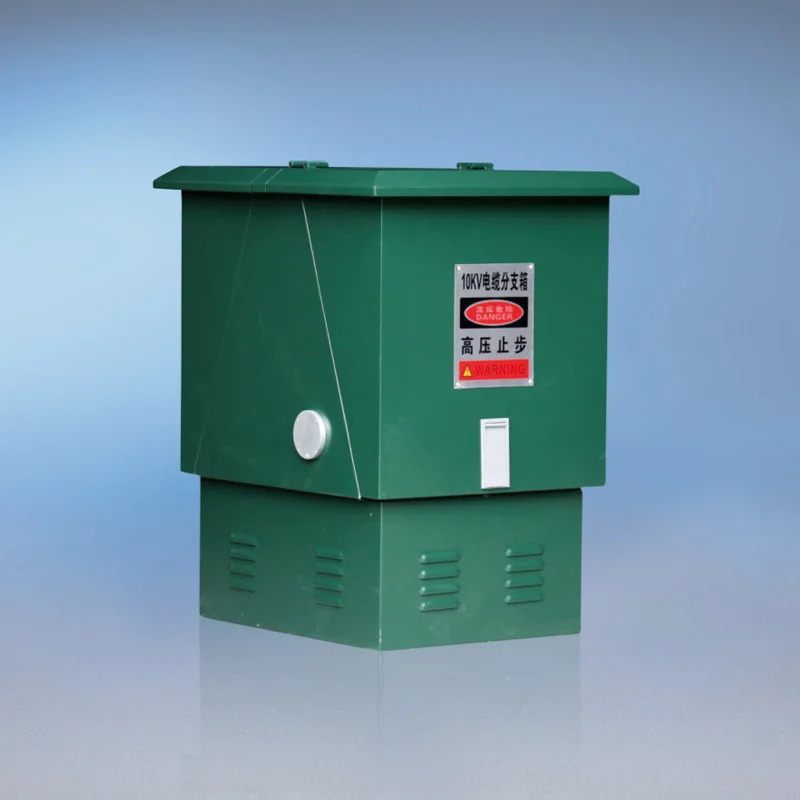
The outdoor high-voltage cable distribution box is one of the most important parts of today’s electricity systems, especially in relation to urbanization, industry, and renewable energy. Since the demand for electricity keeps on rising and the grids are spreading all over the planet, the need for understanding how this equipment works should arise not only for the professionals in the sphere of electrical engineering but also for the businessmen and owners of real estate in search of safe and reliable electricity. The article discusses the most important functions of the outdoor high-voltage cable distribution box and describes its design, fields of application, advantages, types, and factors influencing the selection.
Defining the Outdoor High-Voltage Cable Distribution Box
A high-voltage cable distribution box is an enclosure designed specifically for protecting and controlling high-voltage cables and connections. Unlike low-voltage systems, which are regularly located indoors for common applications in homes or offices, high-voltage cable distribution requires superior protection and increased resistance to weather conditions, as well as the ability to process a higher load of electricity. Such boxes are installed in outdoor areas where they connect transmission lines with local distribution networks or serve as junction points in industrial applications.
Usually, they are constructed with the help of materials able to endure tough weather conditions, including stainless steel or specially-treated polymer materials. Such construction makes it possible to create devices capable of working under temperature changes, humidity, rain and snow, and harmful UV radiation. In addition to the exterior of the box, the parts that are located inside are also significant, namely bus bars, fuses, circuit breakers, insulation plates, ground rods, and surge protectors.
Main Function: The Backbone of Electrical Distribution Systems
The outdoor high-voltage cable distribution box serves the important purpose of transporting electrical energy safely from a primary distribution line to several circuits or locations. The process is made possible by connecting, branching, and securing the high-voltage cables. The box fulfills the central function in the transportation of electricity, which includes:
• Providing Safe Electrical Connection: The distribution box operates by incorporating durable terminals and housing that make contact, arcing, and short circuits unlikely.
• Protection Against Weather-Related Hazards: The box provides protection to electrical parts from harmful elements such as water, dust, and others.
• Maintaining the Integrity of the System: The system is going to be able to detect faults and isolate and turn off, which means that it will be quick to resolve the issues via ut the entire network.
• Supporting Efficient Power Flow: The distribution box will allow for power distribution in a very reliable and stable manner.
In the absence of this box, thousands of connection points of high-voltage power lines will be easily subjected to the negative impact of environment and unnecessary mechanical influences that put the whole power operation at risk of power outages and equipment breakdowns and might even cause life-threatening fires due to high voltage electricity.
Key Components and Design Features
In order to understand the full potential of an outdoor high-voltage cable distribution box, it is vital to review its main construction elements and components. Robust protection is ensured by means of a range of mechanical, electrical, and electronic tools:
Weatherproof Enclosure: The exterior casing of the box is intended to prevent dust ingress and moisture penetration, meaning that it is often manufactured to meet IP66 standards and above, and it must also be corrosion-resistant. With all these features, the box will perform well in any environment exterior.
Insulation and Dielectric Barriers: Specific insulation materials are used in the device to avoid leakage and ensure operations with high voltage safely. The barriers segregate circuits from one another and from the casing of the circuit, thereby avoiding short circuits.
Circuit Breakers and Fuses: These gadgets keep track of the current and cut off the connection when the current goes beyond the limits. Hence, these devices are essential in saving both costly machinery as well as for avoiding electrical fires or explosions.
Busbars and Connectors: Busbars are thick strips of copper or aluminum that conduct electricity within the box. Their design ensures safe, stable distribution of power to multiple outgoing circuits or cables.
Grounding and Surge Protection: Proper grounding mechanisms instantly divert any fault current or lightning surge safely into the earth, shielding the box and downstream infrastructure.
Monitoring and Control Units:Advanced Distribution Boxes may include sensors, remote-monitoring devices, and automatic control systems, allowing real-time tracking of voltage, current, and fault conditions. This enables rapid response to electrical anomalies.
Applications Across Industries and Infrastructure
The versatility of the outdoor high-voltage cable distribution box has made it indispensable in a wide range of settings. Depending on the context, the demands on the box may vary, but its essential function remains the same: efficient, safe distribution and management of electricity.
In urban developments, these boxes are placed at strategic nodes, such as substations, apartment complexes, and shopping malls. They facilitate the transition from main transmission lines to lower-voltage distribution circuits that serve neighborhoods and commercial areas.
Industrial facilities rely on high-voltage distribution boxes for powering heavy machinery and equipment. These boxes help manage complex grids involving multiple transformers, generators, and motors, ensuring uninterrupted operations.
The renewable energy sector, particularly large-scale solar farms and wind turbine installations, uses high-voltage distribution boxes to connect arrays of generation units, channeling power to the main grid or storage systems. Here, reliability and weatherproofing are crucial due to the open environment and variable weather conditions.
Telecommunications infrastructure, military bases, and rural electrification projects also benefit from these boxes, which provide scalable power distribution amid challenging terrains and limited access to centralized power stations.
Types of Distribution Boxes and Their Selection Criteria
There are various distribution box types to consider based on application, voltage class, and physical site conditions. Key types include:
Ring Main Unit (RMU) Distribution Boxes: Widely used in urban and industrial power networks, these units support looped cable connections for increased reliability and flexible circuit isolation.
Fuse-Based Distribution Boxes: Typically installed in smaller-scale facilities, these use replaceable fuses for circuit protection and are characterized by simplicity and cost-effectiveness.
Circuit Breaker Distribution Boxes: Suitable for high-capacity applications, these boxes feature advanced breakers for precise, automated fault detection and response.
Custom-Enclosure Distribution Boxes: Manufactured to meet unique site requirements, these may include additional insulation, isolation panels, monitoring systems, and remote-control capabilities.
When selecting a box, important criteria to assess include:
• Voltage and Current Rating
• Environmental Resistance
• Capacity for Expansion
• Maintenance Requirements
• Compatibility with Existing Electrical Infrastructure
• Compliance with National and International Safety Standards
The right choice not only ensures immediate performance but also supports future scalability and evolving operational needs.
Distribution Box Electrical Safety and Compliance
Safety is paramount in the design and operation of distribution box electrical systems, especially when dealing with high voltages. International standards, such as IEC, IEEE, and various national codes, govern design parameters, materials, and installation processes.
Key compliance factors include:
IP Ratings: Ensuring adequate ingress protection against dust and water, usually IP65, IP66, or higher, is vital for outdoor applications.
Dielectric Strength: All insulating materials must withstand voltages well above maximum operating levels to prevent breakdowns.
Fault Isolation: The ability to isolate faulty circuits without disrupting the entire grid is critical for safety and operational continuity.
Grounding Efficiency: A properly grounded box effectively dissipates fault currents, protecting personnel and equipment from electrical shocks.
Regular maintenance and testing are necessary to guarantee ongoing compliance. Expert technicians typically inspect connections, test insulation resistance, verify grounding, and assess control mechanisms.
Compliance not only protects infrastructure and staff but also ensures meeting legal obligations, insurance requirements, and minimizing risk of liability.
Enhancing Reliability and Efficiency: The Technological Edge
Modern outdoor high-voltage cable distribution boxes are engineered with technology that enhances reliability and operational efficiency. Trends in smart grids and digital monitoring are making these boxes intelligent nodes within a wider network.
Some advanced features include:
Remote Monitoring: Integrated sensors stream real-time data to control rooms, enabling proactive maintenance and fault detection.
Automated Fault Response: Digital relays and controllers can instantly open or close circuits in response to anomalies, reducing downtime and damage.
Communication Protocols: Many boxes now support industry-standard communication protocols, such as Modbus, DNP3, or IEC 61850, facilitating seamless integration with supervisory control systems.
Energy Measurement: Built-in meters measure and log energy usage, aiding efficient power management and cost control.
Environmental Adaptability: Some boxes are equipped with heaters, ventilation, or active cooling systems to maintain optimal operating conditions even in extreme climates.
This technological leap means greater visibility into the Electrical Distribution system, improved safety for operators, and increased resilience for the entire power grid.
FAQ: Common Questions About Distribution Boxes
What is the purpose of a distribution box? The primary purpose is to safely manage the distribution of electrical power from a main source to various branches. It protects and controls the incoming and outgoing connections, prevents hazards, and ensures reliable power delivery in any setting.
How does an outdoor high-voltage cable distribution box differ from indoor distribution boxes? Outdoor boxes are typically more robust, featuring advanced weatherproofing and insulation. They are designed to handle higher voltages and currents than indoor boxes, and include features like surge protection and anti-tampering measures.
What standards must distribution boxes comply with? Key standards include IEC 60529 (for IP ratings), IEC 62271 (for high-voltage switchgear), IEEE specifications, and national electrical codes. Compliance ensures safety, durability, and legal operation.
How often should outdoor high-voltage cable distribution boxes be serviced? Routine inspections should be performed at least annually, with more frequent checks in harsh environments or critical applications. Comprehensive testing after major weather events or faults is also recommended.
Can distribution boxes be customized? Absolutely. Manufacturers can tailor the enclosure, internal components, monitoring systems, color, and branding to meet specific operational and aesthetic requirements.
Considerations for Buyers and Facility Managers
For those responsible for purchasing or managing electrical infrastructure, selecting the right outdoor high-voltage cable distribution box is a crucial decision that impacts both operational efficiency and safety. It is advised to work closely with reputable suppliers or manufacturers who can provide guidance on the best materials, compliance requirements, and compatible accessories.
Buyers should evaluate their site conditions—such as exposure to salt, wind, rain, or wildlife—and consult experienced electrical engineers to assess technical specifications. In high-risk or high-capacity environments, investing in smart, remotely monitored distribution boxes can drastically reduce maintenance costs and enhance uptime.
Warranty support, ease of access for maintenance, and long-term scalability are extra factors that influence purchasing decisions. Facility managers must ensure staff are trained in both routine maintenance and emergency response procedures, relying on manufacturer support where possible for upgrades or troubleshooting.
The Future of High-Voltage Distribution Infrastructure
As power grids evolve toward greater complexity and interconnectivity, the role of the outdoor high-voltage cable distribution box is set to expand. The integration of IoT sensors, advanced analytics, and automated controls will make these boxes ever-more critical in managing not just power flow, but also in optimizing grid stability, energy efficiency, and cybersecurity.
The movement towards renewable energy, microgrids, and battery storage solutions will further drive innovation in distribution box technologies. Modern designs focus not only on safety and durability, but also on faster installation, reduced maintenance, and smarter real-time monitoring. As such, distribution boxes are becoming as much a part of the intelligent infrastructure era as any other part of the grid.
In summary, the outdoor high-voltage cable distribution box is more than just an enclosure—it is an essential building block that protects, manages, and enables the flow of electricity in every major power infrastructure. Its main function is the safe and efficient distribution of high-voltage power to downstream circuits, but its impact stretches into safety, reliability, regulatory compliance, and technological advancement. For buyers and facility managers, choosing the right distribution box is a matter of both technical excellence and strategic foresight, providing the foundation for modern, sustainable power networks for decades to come.